Add Row
Add Element
paul weaver arborist kansas city
update

Paul Weaver Arborist Blog
913-915-4165

update
Add Element
  • Home
  • Categories
    • tree spraying kansas city
    • Ash borer treatments Kansas City
    • Tree fertilization Kansas Cit
    • Tree disease diagnosis Kansas City
    • Annual tree health assessments Kansas City
    • Expert advice from a licensed arborist kansas city
    • Tree Diagnosis Kansas city
    • Organic tree care Kansas City
    • Arborist Kansas City
    • tree care kansas city
    • tree service kansas city
    • organic tree care
  • All Posts
  • tree spraying kansas city
  • Ash borer treatments Kansas City
  • Tree fertilization Kansas Cit
  • Tree disease diagnosis Kansas City
  • Annual tree health assessments Kansas City
  • Expert advice from a licensed arborist kansas city
  • Paul Weaver Arborist Kansas City
  • Tree Diagnosis Kansas city
  • Organic tree care Kansas City
  • Arborist Kansas City
  • tree care kansas city
  • tree service kansas city
  • organic tree care
June 15.2025
1 Minute Read

Tree disease treatment Kansas City: Save Your Trees Now

"Did you know that over 30% of urban trees in Kansas City are at risk due to undiagnosed tree diseases? Quick, professional tree disease treatment can be the difference between a thriving landscape and costly losses."

Why Tree Disease Treatment in Kansas City is Essential for Plant Health and Safety

Tree disease treatment in Kansas City is not just a luxury—it's a necessity for homeowners, property managers, and city officials wanting to preserve the unique beauty and safety of their green spaces. Tree care professionals are acutely aware that common tree diseases and rapid insect infestations can devastate entire neighborhoods if left unchecked. The presence of tree disease increases the risk of falling branches, storm damage, and even the complete loss of valuable trees, threatening property and public safety in the city area . Early intervention with certified tree disease treatment Kansas City services ensures that trees and shrubs can not only survive but thrive.

Kansas City’s diverse mix of native and ornamental trees faces unique challenges, including fast-spreading fungal infections, bacterial blights, and dangerous insect outbreaks like emerald ash borer and pine wilt . The changing climate and increasing urbanization exacerbate these threats, making expert disease management crucial for long-term plant health . By partnering with certified arborists and tree doctors , residents can proactively prevent diseases, address visible symptoms quickly, and implement landscape-wide plans that promote optimum tree health across the entire Kansas City area. Investing in timely tree disease treatment is a proven strategy for maintaining both the safety and aesthetic value of your property.

Understanding the Impact of Tree Disease on Kansas City Landscapes

The impact of tree disease on Kansas City landscapes is profound and far-reaching. Tree diseases can weaken structural integrity, drastically alter or kill mature canopy trees, and disrupt the delicate ecological balance in parks and neighborhoods. As trees become sick, their capacity to provide shade, air purification, and habitat for wildlife diminishes, negatively affecting both property values and quality of life.

Most significantly, undiagnosed or untreated diseases can spread quickly, taking advantage of Kansas City’s seasonal storms and the interconnected nature of urban forests. This leads to costly removal, increased risk from falling limbs, and the daunting task of replanting lost trees. To avoid such outcomes, regular inspections and proactive tree care services led by certified experts are essential for the entire Kansas City area .
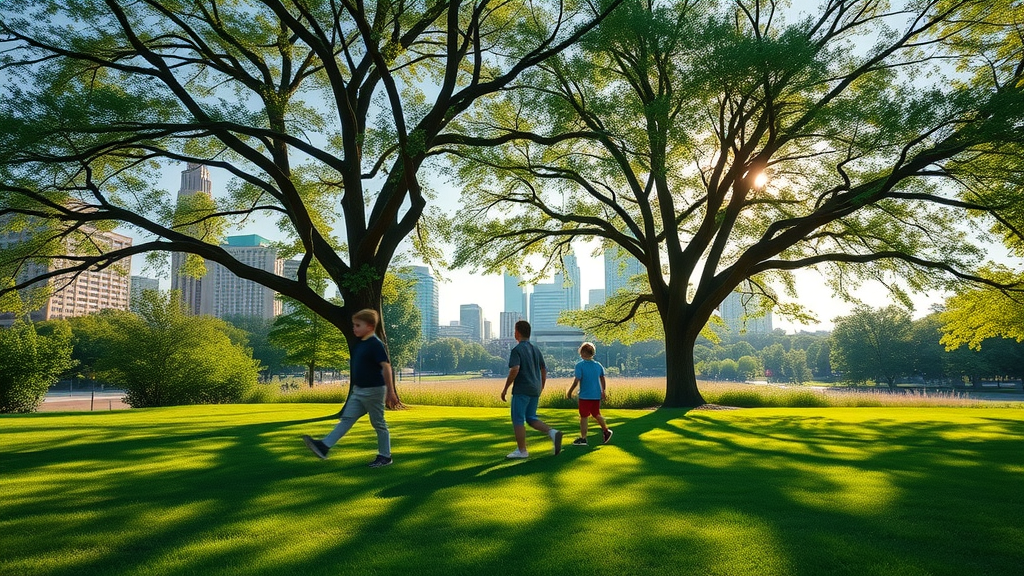
lush Kansas City urban park, healthy vibrant trees in early morning, city skyline, tree disease treatment Kansas City, tree health, children playing

What You'll Learn About Tree Disease Treatment Kansas City

  • Common signs and symptoms of tree diseases in the Kansas City area
  • How certified arborists and tree doctors diagnose and treat tree health problems
  • An overview of tree care and disease management options
  • Cost, effectiveness, and safety of various treatment plans
  • Actionable steps to work with plant health care professionals in Kansas City

Common Tree Diseases in Kansas City: Prevention and Early Detection

Recognizing Tree Diseases: Signs Every Kansas City Homeowner Should Know

Identifying early symptoms of tree diseases is the key to effective tree disease treatment in Kansas City. Residents should watch for telltale signs such as yellowed or browning leaves (as seen in iron chlorosis ), premature leaf drop, wilting or thinning canopies, and visible fungal growth, which can indicate serious underlying problems. Another red flag is the presence of unusual holes, splits in bark, or sticky sap, which can signal infections or invasive insects like the emerald ash borer .

Early detection is crucial as many tree diseases can spread rapidly throughout the city area . For example, a single infected ash tree can serve as a host for thousands of emerald ash borers , putting nearby trees at risk. Homeowners should inspect their trees and shrubs regularly—especially after storms or during droughts, seasons when plants are more vulnerable. If symptoms are spotted, reaching out to a certified arborist or tree doctor is the most reliable way to receive a proper diagnosis and treatment plan tailored for Kansas City's unique landscape.
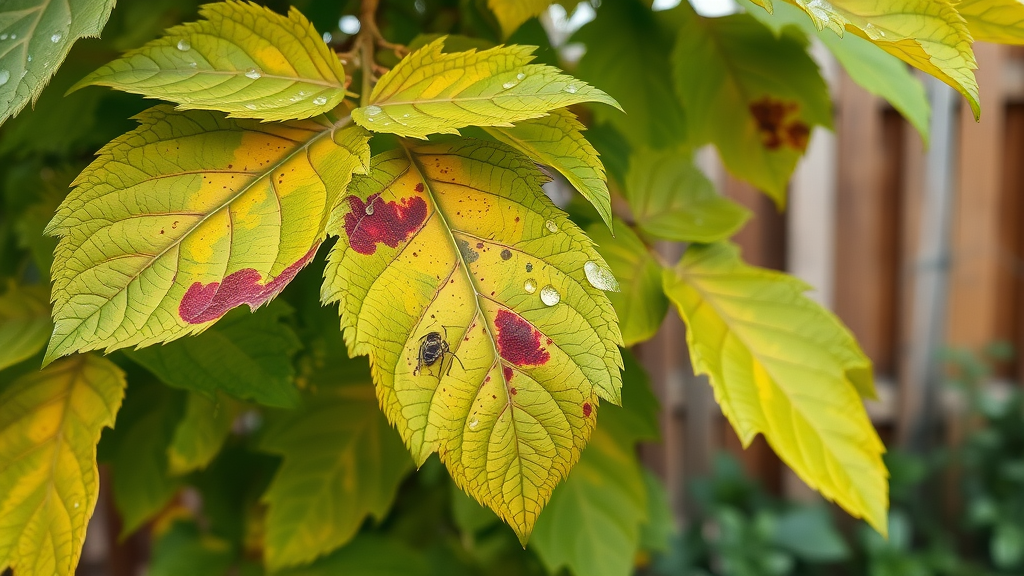
detailed close-up of diseased tree leaves in Kansas City, iron chlorosis, yellowed leaves, tree disease treatment Kansas City

Spotlight on Pine Wilt, Iron Chlorosis, and Emerald Ash Borer Treatment

The Kansas City area regularly faces three main threats to tree health: pine wilt , iron chlorosis , and emerald ash borer . Understanding their symptoms, effects, and treatment options is vital for effective disease management. Pine wilt, for instance, is caused by a nematode spread by beetles and primarily attacks Scots, Austrian, and other non-native pines planted in the city area. Trees display rapid needle browning, progressive wilting, and can die within weeks if not treated quickly. The typical treatment plan involves trunk injections, and in severe cases, complete tree removal to restrict further spread.

Iron chlorosis commonly affects oaks and maples due to the region’s alkaline soil. Affected trees show yellow leaves with pronounced green veins and stunted growth. Treatment methods include soil amendments and foliar sprays designed to balance the soil’s nutrient profile and restore plant health.

The emerald ash borer is one of Kansas City’s most devastating invasive pests, causing canopy thinning, D-shaped exit holes in bark, and ultimately rapid tree death if untreated. Best management practices include systemic insecticide treatments, annual monitoring by a tree doctor , and in advanced cases, strategic tree removal. Integrating these practices into a comprehensive tree health care strategy can help protect entire neighborhoods from large-scale loss.

  • Pine wilt symptoms and prevention strategies
  • Why iron chlorosis is common and how to treat it
  • Emerald ash borer: detection, impact, and best management practices
Tree Disease Typical Symptoms Effect on Tree Health Recommended Treatment
Pine Wilt Needle browning, tree wilt Rapid tree decline Trunk injections, tree removal
Iron Chlorosis Yellow leaves with green veins Stunted growth Soil amendments, foliar sprays
Emerald Ash Borer Canopy thinning, D-shaped exit holes Tree death if untreated Systemic insecticides, tree removal

Certified Arborists and Tree Doctors: Your Kansas City Disease Management Experts

Why Choose ISA Certified Arborists for Tree Disease Treatment in Kansas City

Partnering with ISA certified arborists ensures the most accurate diagnosis and effective treatment methods for tree diseases in the Kansas City area . These professionals undergo rigorous training in plant health care, disease and insect management, and local ecology, equipping them to tackle the region’s unique challenges such as ash borer infestations and soil-based nutrient deficiencies. When you select an ISA certified tree doctor, you’re investing in science-driven solutions, ethical practices, and proven care services that prioritize both immediate relief and long-term tree health .

Certified arborists also offer expert consultations on landscape planning, pest management, and storm damage remediation—helping you adapt your property to changing climate patterns and increasing threats. Their deep-rooted knowledge of Kansas City’s native and ornamental species enables them to implement tailored treatment plans and protective strategies that less specialized services simply can’t provide.
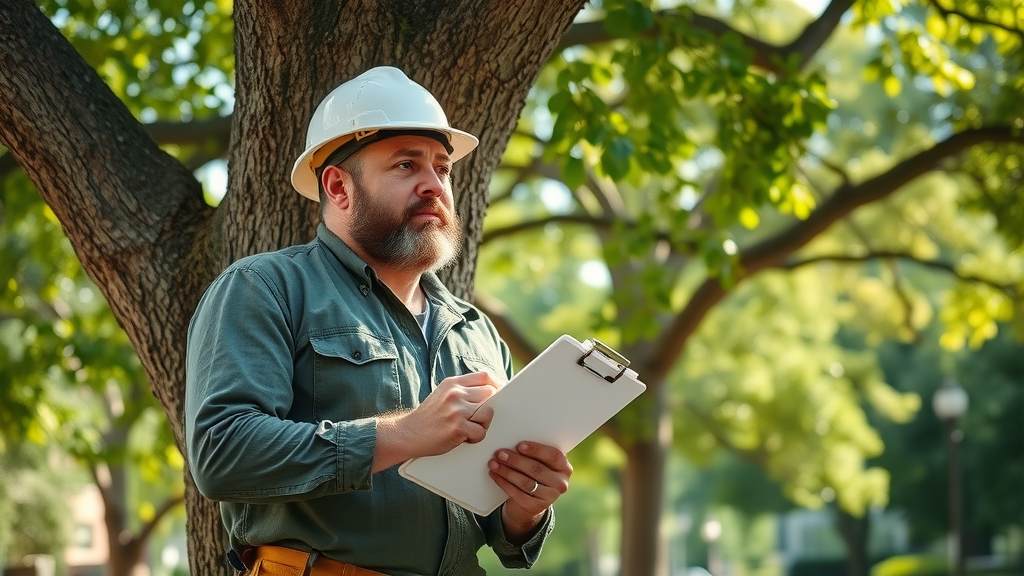
ISA certified arborist inspects oak tree Kansas City, tree disease treatment Kansas City, tree doctor, tree care

The Role of a Tree Doctor in Comprehensive Plant Health Care

A tree doctor’s expertise extends far beyond diagnosis—they manage integrated tree health programs, oversee treatment plans for diverse threats, and ensure every step prioritizes both plant vitality and landscape safety. Tree doctors routinely handle complex cases, where multiple diseases and insects may be present, and leverage laboratory analysis and state-of-the-art technology to create data-backed solutions.

Through ongoing inspections, follow-up treatments, and close collaboration with homeowners, tree doctors develop preventive care schedules that strengthen trees and shrubs year-round. Their proactive, science-based approach makes them invaluable partners for anyone invested in the longevity of Kansas City’s outdoor spaces.

"A professional tree service provides more than just pruning – it ensures long-term plant health and tree safety."

How Tree Disease Treatment Works: Proven Strategies for the Kansas City Area

Tree Disease Diagnosis, Treatment Plans, and Ongoing Tree Health Care

The process of tree disease treatment Kansas City begins with a thorough inspection from a certified arborist or tree doctor . This involves visual assessment for visible disease and insect symptoms, structural issues, and environmental stressors specific to the city area . When needed, they collect samples and conduct advanced laboratory analysis to identify pathogens or insect species with precision.

Once diagnosis is complete, a tailored treatment plan is crafted—ranging from targeted injections and systemic insecticides to nutrient-rich soil amendments and disease-suppressing foliar sprays. These methods are selected based on disease type, tree species, and risk factors identified during inspection. Ongoing health care is vital: certified specialists schedule follow-up visits to monitor progress, adjust treatments, and provide seasonal recommendations for fertilization, pruning, and disease management . The combination of prompt intervention, scientific assessment, and continuous care ensures the highest possible success rate for saving trees in Kansas City.

  • Initial inspection by certified arborists
  • Laboratory testing and disease identification
  • Tailored treatment plan: injections, soil amendments, or targeted sprays
  • Follow-up plant health care and monitoring

plant pathology scientist tests tree samples for disease treatment Kansas City, laboratory, certified arborist

Tree Care Services: Preventative Measures for Tree Health in Kansas City

Tree Fertilization, Pruning, and Disease Management Best Practices

Robust tree care services are founded on prevention—stopping disease and insect problems before they start. Regular soil testing and professional tree fertilization are essential for maintaining vigorous, disease-resistant trees in the Kansas City area . By ensuring trees receive the nutrients they require, you create an environment hostile to many common pathogens. Fertilization plans are often custom-tailored by certified arborists for each property, taking into account soil composition, tree species, and local pest pressures.

  • Regular soil testing and fertilization plans
  • Seasonal pruning for disease and insect prevention
  • Integrated pest and disease management strategies

Seasonal pruning is just as critical—it removes hazardous limbs, improves airflow, and reduces the presence of dead or diseased wood where pathogens and pests thrive. Pruning also allows for early identification of potential issues, allowing tree doctors to take action before widespread damage occurs. When paired with integrated management, which includes habitat alteration, targeted treatments, and organic controls, Kansas City residents can keep trees and shrubs safe from the city’s most persistent threats year after year.
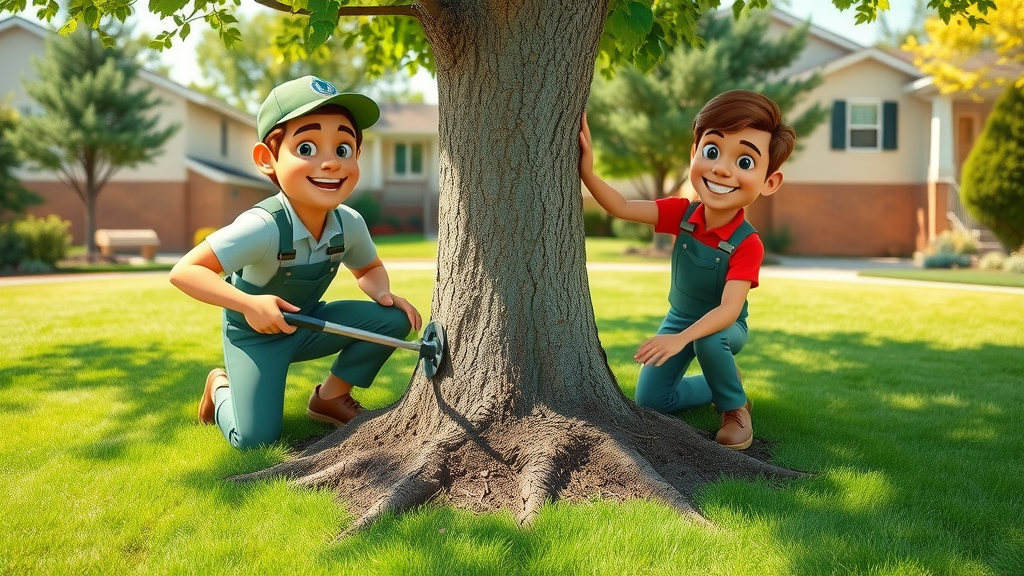
tree care team applies fertilizer Kansas City, tree health, disease management, vibrant green yard

People Also Ask: Tree Disease Treatment Expertise for Kansas City

How much does it cost to treat a diseased tree in Kansas City?

The cost of tree disease treatment in Kansas City depends on disease type, tree size, and needed care, generally ranging from $150 to $800 per tree. Early intervention and regular tree health care can help prevent costly removal or property damage.

What is the best way to treat tree disease in the Kansas City area?

The most effective tree disease management combines early diagnosis by a certified arborist, customized treatment plans, and ongoing maintenance, such as fertilization, pruning, and monitoring for disease and insect activity.

Who can help with a sick tree in Kansas City?

ISA certified arborists and experienced tree doctors in Kansas City are trained to assess, diagnose, and treat tree diseases using proven plant health care techniques.

Can a diseased tree be saved with professional tree disease treatment?

With prompt identification and expert treatment, many diseased trees in Kansas City can recover and enjoy renewed health. However, advanced disease or extensive damage sometimes necessitate removal for safety.

Frequently Asked Questions About Tree Disease Treatment Kansas City

  • How long does tree disease treatment take? Treatment duration varies based on disease type and tree size, but most initial treatments are completed within a few hours. Ongoing monitoring may be scheduled over several weeks to ensure success.
  • Is tree disease treatment safe for pets and children? Yes, certified arborists and tree doctors only use treatments approved for residential areas, ensuring methods and materials are safe for families, pets, and local wildlife.
  • How do I choose a trusted tree care service in Kansas City? Always select a service with ISA certified arborists, strong community reviews, and transparent pricing. Certifications and the use of environmentally-responsible practices indicate the highest quality of care.
  • What happens if I delay treating a tree disease? Delaying treatment can allow diseases and pests to spread rapidly. Left unmanaged, this frequently results in greater damage, increased risk to nearby trees and structures, and higher removal or remediation costs.
concerned Kansas City homeowner examines diseased tree, tree disease treatment Kansas City, residential garden

Take Action: Schedule Rapid Tree Disease Treatment in Kansas City Today

"Protect your landscape investment—book your assessment with a Kansas City certified arborist and ensure the health and longevity of your trees with expert tree disease treatment."

Ready to defend your landscape? Call a certified arborist today, schedule an expert assessment, and invest in professional tree disease treatment Kansas City to safeguard your property and enjoy healthy, resilient trees for years to come.

Tree disease diagnosis Kansas City

12 Views

Write A Comment

*
*
Please complete the captcha to submit your comment.
Related Posts All Posts

Best Mulch for Trees: Colored Mulch vs Hardwood 

Best Mulch for Trees: Colored Mulch vs HardwoodA Proper Mulching Guide by ISA Certified Arborist Paul Weaver #MW-4888AMulch is one of the most talked-about—and most misunderstood—parts of tree care. Most homeowners think it’s about appearance. Color, texture, how clean it looks in the landscape. But in reality, choosing the best mulch for trees has nothing to do with looks and everything to do with what’s happening below the surface.I’ve seen properties where the mulch looks perfect, but the tree is struggling. And I’ve seen others where the mulch isn’t flashy at all, but the tree is thriving. The difference comes down to function, not appearance. Everything is connected. Get a free tree diagnosis in Kansas City from our certified arborists today.What Is the Best Mulch for Trees?The best mulch for trees is one that supports soil health over time. That means it breaks down naturally, feeds the soil, and improves the environment where roots live. In my experience as an ISA Certified Arborist, double or triple ground hardwood mulch consistently performs better than commercial alternatives.It integrates into the soil instead of sitting on top of it, improves moisture retention, and supports microbial life. That’s what trees actually need—not a decorative layer, but a functional one.Colored Mulch vs Hardwood Mulch: What You Need to KnowWhen comparing colored mulch vs hardwood mulch, most of the conversation focuses on aesthetics. Dyed mulch offers a bold, uniform look that fits modern landscaping styles. But what matters is what that material does over time.Most colored mulch is made from recycled wood—pallets, scrap lumber, or construction debris—that’s been processed and dyed. While it may be labeled as safe, it doesn’t contribute much to soil health. It tends to sit on the surface and break down slowly, offering little benefit to the root system.Hardwood mulch, on the other hand, behaves like natural forest material. It decomposes gradually, feeds the soil, and supports the biological activity that trees rely on. It’s not designed to stand out—it’s designed to work. Why Hardwood Mulch Supports Long-Term Tree HealthTrees don’t need quick fixes—they need stable conditions. Hardwood mulch helps create that stability by:Regulating soil temperatureRetaining moisture more effectivelySupporting microbial lifeImproving soil structure over timeIn my 35+ years as an Arborist, I’ve consistently seen stronger root systems and healthier canopies when natural mulch is used correctly. It’s one of the simplest ways to improve long-term tree performance.How to Mulch Around Trees ProperlyEven the best mulch won’t help if it’s applied incorrectly. Proper mulch around trees should follow a few key principles.Mulch should be applied evenly at a depth of about 2–3 inches. More than that can restrict airflow, while less doesn’t provide enough benefit. Just as important, mulch should never be piled against the trunk. The base of the tree needs to stay exposed.Improper mulching—especially piling mulch against the trunk—is one of the most common issues I see. It creates moisture buildup, limits airflow, and can lead to decay over time. Why Mulch Rings Around Trees MatterA properly installed mulch ring around a tree creates a protected zone where roots can function without competition from grass. Grass pulls water and nutrients from the same area trees depend on, and over time, that competition adds stress.Mulch rings should extend outward as far as practical, ideally several feet depending on the size of the tree. The wider the ring, the better the results. This allows the soil to retain moisture, stay cooler, and support healthy biological activity.The Problem With Decorative Landscaping PracticesThe shift toward decorative mulch is part of a larger trend in the industry—prioritizing appearance over function. The same mindset that drives quick green lawns drives mulch choices.That “1-800-CHEMLAWN” approach focuses on how things look today, not how they perform over time. And while it may deliver short-term results, it often leads to long-term soil decline.Tree care should never come at the expense of soil health, water quality, or the surrounding environment.A Soil-First Approach to MulchingMulch isn’t a standalone solution—it’s part of a larger system. When used correctly, it supports soil biology, improves structure, and creates better conditions for roots.If you want to take a more complete approach, our tree service Kansas City program focuses on improving soil health first, so everything above it—trees, lawn, and landscape—can function the way it’s supposed to.Learn More About Why Trees DeclineMulch is one piece of the puzzle. If your trees are struggling, there’s usually a bigger issue tied to soil conditions. I’ve broken that down in our article on why trees start declining and what most homeowners miss, so you can understand what’s happening beneath the surface. Final ThoughtsMulch isn’t about making your landscape look finished—it’s about making your soil function better. The difference between colored mulch and natural hardwood mulch isn’t just visual—it’s biological.When you choose the right material and apply it correctly, you’re not just improving your trees—you’re building a healthier, more sustainable environment from the ground up.

Organic Tree Care vs. Chemical Tree Care: What Homeowners Should Know

The Fundamental Difference: Treating Symptoms vs. Building HealthAs an Arborist in Kansas , I’ve watched homeowners unknowingly fall into the same trap over and over again—treating tree problems like temporary inconveniences instead of biological failures. Chemical tree care is built around symptom control: kill the bug, suppress the disease, improve appearance fast. And to be fair, it often works in the short term. But it doesn’t address why the tree became vulnerable in the first place. Organic tree care takes a completely different approach by focusing on the underlying system that supports the tree—specifically the soil, root environment, and biological activity. Instead of asking “How do we fix what we see?” it asks “Why did this happen to begin with?” That shift in thinking is the difference between temporary improvement and long-term tree health, and it’s something most homeowners aren’t hearing when they search for an arborist Kansas City or even just “arborist near me.”What Chemical Tree Care Actually DoesLet’s be honest about how chemical tree care works, because there’s a reason it’s so widely used in the tree care industry. Most chemical-based programs, including typical tree spraying Kansas City services, rely on insecticides, fungicides, and synthetic fertilizers designed to produce quick, visible results. Leaves green up fast, insects disappear, and disease symptoms fade—at least temporarily. But beneath the surface, these treatments often disrupt the very system that keeps trees resilient, reducing beneficial microbial activity in the soil and creating a dependence on repeated applications to maintain results. In my experience as an ISA Certified Arborist, I’ve seen trees that were on long-term chemical programs become weaker over time, not stronger, because the underlying biology that supports nutrient uptake and natural defense systems was never addressed. What you end up with is not a healthy tree, but a managed one—one that requires constant input just to maintain a baseline level of appearance. The Organic Tree Care ApproachOrganic tree care flips that entire model by focusing on the root system and the living soil environment rather than the visible symptoms in the canopy. Especially here in Kansas City, where we deal with heavy clay soils from areas like Overland Park to Prairie Village and throughout Johnson County KS, the real issue is often poor soil structure, compaction, and lack of biological activity. Organic and natural tree care Kansas City strategies aim to improve those conditions by enhancing soil biology, increasing oxygen availability, and restoring natural nutrient cycling processes. When those systems are functioning properly, trees become far more capable of defending themselves against insects and disease without constant intervention. In my 35+ years as an Arborist, I’ve seen trees that were once in decline recover simply because the soil environment was corrected, which tells you everything you need to know about where the real problem usually starts.Why Trees Become Vulnerable in the First PlaceOne of the most common misconceptions I see as an ISA Certified Arborist is that insects and diseases are the primary problem, when in reality they are usually secondary symptoms of stress. Trees typically become vulnerable due to environmental and soil-related issues such as compaction from construction, poor drainage, root damage, nutrient imbalances, or long-term exposure to urban stress conditions. By the time pests show up, the tree is already compromised internally. Chemical treatments may remove the visible issue, but they do nothing to restore the tree’s natural defense systems. That’s why the same problems tend to reappear year after year. When you understand that tree decline starts below ground, it completely changes how you approach treatment, shifting the focus from reaction to prevention.The Cycle of Chemical DependenceI see this cycle play out all the time in Kansas City neighborhoods like Brookside, Waldo, and Mission Hills, where homeowners initially call for tree spraying services Kansas City after noticing thinning canopies or insect activity. The treatment works—at least temporarily—and the tree looks better, which reinforces the idea that the solution was effective. But the following season, the same issue returns, often more aggressively, because the underlying stress was never resolved. This leads to more frequent applications, higher costs, and increasing dependency on chemical inputs just to maintain the tree’s appearance. Over time, the tree becomes less resilient, not more. At that point, you’re not improving tree health—you’re managing decline. And if the goal is just quick, cosmetic results, homeowners might as well call 1-800-CHEMLAWN, because that’s essentially the level of care being applied. Long-Term Tree Health Actually Looks LikeHealthy trees don’t require constant intervention, and that’s something I’ve consistently observed as an ISA certified arborist Kansas City working across a wide range of properties. When soil conditions are right and biological systems are functioning properly, trees can naturally resist most pests, recover from environmental stress, and maintain stable growth without repeated treatments. I’ve worked with homeowners who transitioned to organic tree care Kansas City approaches and saw a dramatic reduction in the need for spraying over time. That’s because the tree was no longer operating in a weakened state. Instead, it was supported by a healthy root system and active soil biology, which allowed it to function the way it was designed to.Soil: The Most Overlooked Factor in Tree CareIf there’s one thing I emphasize more than anything else, it’s that tree health starts in the soil, not in the canopy. Trees grow from the bottom up, and in regions like Kansas City, Olathe, and Shawnee, our dense clay soils create significant challenges for root development, oxygen availability, and nutrient absorption. When soil becomes compacted and biologically inactive, trees struggle to sustain themselves regardless of how many treatments are applied above ground. Organic approaches to tree health care Kansas City focus on restoring soil structure, increasing microbial diversity, and reestablishing natural nutrient cycles. Once those systems are functioning again, the tree can begin to recover in a way that is sustainable and long-lasting, rather than dependent on repeated external inputs. The Industry Reality Most People Don’t HearThe truth is, much of the modern tree care industry is structured around repeat chemical applications because they are easy to sell, easy to apply, and produce immediate visual results. But immediate results don’t always equate to long-term health. In fact, I’ve seen more long-term damage caused by over-reliance on chemical treatments than most homeowners would expect. That realization is what led me to change my entire approach to tree care years ago. After decades in this industry, I only trust one supplier for the materials I use on my clients’ trees, and that decision came from years of observing what actually improves tree health versus what simply masks problems.When Chemical Treatments Might Be NecessaryNow, with all of that said, there are situations where chemical intervention may be appropriate, particularly in cases of severe infestation or advanced disease where immediate action is required to prevent tree loss. However, those situations should be the exception, not the foundation of a tree care program. Chemical treatments, when used, should be applied strategically and in conjunction with efforts to improve soil health and restore the tree’s natural resilience. Relying solely on chemical solutions without addressing underlying conditions is not a sustainable approach and often leads to recurring problems.Organic Tree Care and Property ValueHomeowners in areas like Leawood, Prairie Village, and throughout Kansas City often don’t realize how much their property value is tied to the health of their trees. Mature trees provide shade, improve curb appeal, and contribute significantly to the overall character of a property. When those trees begin to decline, the impact goes beyond aesthetics—it affects energy efficiency, landscape value, and long-term property investment. Investing in tree health restoration Kansas City through organic care helps protect those assets by ensuring trees remain strong, stable, and visually appealing over time.The Cost Comparison: Short-Term vs. Long-Term ThinkingAt first glance, chemical treatments may appear more affordable because they offer immediate results at a lower upfront cost. However, when you factor in the need for repeated applications year after year, the long-term expense often exceeds the cost of addressing soil health properly from the beginning. Organic tree care is built around fewer interventions, stronger trees, and reduced long-term maintenance, making it a more sustainable and cost-effective approach over time. It requires a shift in mindset from quick fixes to long-term investment, but the results speak for themselves.Choosing the Right ArboristIf you’re searching for the best arborist in Kansas City, the key is to find someone who looks beyond surface-level symptoms and evaluates the full health of the tree, including soil conditions and root environment. A true tree health specialist Kansas City will ask why the tree is struggling, not just recommend spraying as a default solution. They will offer organic or soil-based strategies and focus on long-term improvement rather than short-term appearance. If you’re exploring options, it’s worth taking the time to understand how different providers approach tree care, especially when considering comprehensive tree service Kansas City solutions that prioritize lasting results.A Real-World Perspective from the FieldIn my 35+ years as an Arborist working throughout Kansas City, from older neighborhoods in Midtown to newer developments in Johnson County, I’ve consistently seen the same pattern: trees treated with chemical programs tend to show temporary improvement followed by recurring issues, while trees supported through organic, soil-focused care develop long-term resilience and stability. That pattern isn’t theoretical—it’s based on decades of real-world observation across thousands of trees in varying conditions.Why This Matters More Than EverUrban environments are becoming increasingly challenging for trees due to construction, soil compaction, and environmental stress, which makes it more important than ever to support their internal systems rather than relying on external treatments. Chemical solutions do not build resilience—they manage symptoms. Healthy soil, on the other hand, strengthens the tree from within, allowing it to adapt and survive in difficult conditions.Final Thoughts: What Homeowners Need to UnderstandTree care is not about controlling problems after they appear—it’s about preventing them from developing in the first place. Healthy trees begin with healthy soil, and long-term tree health depends on supporting soil biology, natural nutrient cycling, and overall ecosystem balance rather than repeated chemical treatments. Homeowners who focus only on quick results often sacrifice the long-term vitality of their trees, and again, if the goal is just fast improvement, there’s always 1-800-CHEMLAWN. But if the goal is to grow strong, resilient trees that thrive for decades, organic, soil-focused care is the only approach that consistently delivers those results Paul Weaver ArboristISA Certified Arborist MW-4888A

Arborist services Kansas City: Expert Care Just a Call Away

Did you know that a mature tree in Kansas City can boost property value by up to 15% but, when neglected, may pose costly risks? Whether you’re a homeowner or manage city property, trusting your trees to expert arborist services Kansas City is a crucial investment in both beauty and safety. Discover how ISA certified professionals deliver unmatched results, safeguard your landscape, and keep urban trees thriving for generations to come. Discover Why Professional Arborist Services Kansas City Matter More Than Ever "A mature tree in Kansas City can increase property values by up to 15%—but unsafe or neglected trees can become costly liabilities." Urban landscapes in Kansas City are defined by their vibrant greenery and mature trees, which add value and visual appeal to neighborhoods and businesses alike. Yet, with growing urban development and unpredictable Midwest weather, the demand for expert arborist services Kansas City has never been higher. Hazardous limbs, storm-damaged trees, and dangerous diseases like the emerald ash borer threaten the health and safety of your trees—and your property. Engaging certified professionals yields benefits beyond simple tree trimming or removal. Professional tree care service teams deliver accurate diagnoses, tailored health care strategies, and informed preventative treatments to mitigate risks and extend the life of your urban trees . Their expertise is critical in ensuring that your investment is protected, your trees stay vibrant, and your property remains safe. Top reasons to choose arborist services in Kansas City How certified arborists ensure superior tree care The most sought-after tree services and what they include Transparent pricing and what to expect from consultations Distinguishing professional arborists from general tree care providers Complete Guide to Arborist Services Kansas City for Tree Care, Maintenance, and Removal Understanding Arborist Services in Kansas City: From Diagnosis to Treatment A robust tree care service involves more than cutting branches or felling trees—it starts with comprehensive assessment and ends with ongoing support for tree vitality. In Kansas City , arborist services begin with an expert evaluation. ISA certified arborists use advanced diagnostic tools to spot diseases, insect problems like the ash borer , and structural weaknesses. Their training allows them to recommend effective treatments tailored to specific species and the unique challenges of urban trees . Once issues are identified, a certified arborist shapes a personalized care plan, which may include strategic pruning, fertilization, pest management, or even cabling and bracing to support weakened limbs. For more severe cases, services like stump grinding and tree removal are handled safely and with minimal disruption. The hallmark of true professionals is transparency—expect detailed consultations, written reports, and regular follow-ups to monitor progress and keep your canopy in top shape. Tree care service assessments Personalized urban tree maintenance Advanced health care solutions Cabling and bracing for city trees Stump grinding and removal ISA certified arborist consultations Tree Care by Certified Arborists: Why ISA Certification Matters for Arborist Services Kansas City "Only an ISA Certified Arborist can offer a comprehensive tree care strategy that adheres to industry standards in Kansas City." When searching for arborist services Kansas City , homeowners and city planners should look for teams that include certified arborists . The International Society of Arboriculture (ISA) sets rigorous standards for both knowledge and practice, ensuring that certified specialists are insured, trained, and committed to the latest industry best practices. Their certification demonstrates expertise in tree health care , disease management, and the specialized management of challenging issues like emerald ash borer infestation. ISA certification is not just a badge—it's your guarantee that safety guidelines and ethical practices are observed. Kansas City tree service providers with ISA credentials understand local ordinances, soil conditions, climate stresses, and can formulate precise tree health strategies. Unlike standard tree services, their solutions go beyond superficial trimming to include preventive care, long-term treatment plans, and strategic urban forestry management. Kansas City Tree Service: Key Differences Between Certified Arborists and Standard Tree Services Not all tree care professionals are equal—choosing between a run-of-the-mill tree service and a certified arborist makes a significant impact. While general providers can handle basic removals or pruning, only a certified professional can deliver science-backed, comprehensive care that improves both tree longevity and property value. Their involvement is crucial for tricky situations such as ash borer infestations or emergency limb removals, where improper action can damage not only the tree but also surrounding structures. Professional tree care teams stand apart by offering thorough consultations, digital health tracking, ongoing advice, and access to specialized solutions like cabling and bracing for valuable city trees. Their training ensures that plant health care , proper pruning, and the safe removal of hazardous branches are performed with minimal risk and maximum benefit for your landscape. Credentials of professional tree care teams Best practices for urban tree management Overview of ISA certified arborist expertise Specialized solutions for emerald ash borer and ash borer infestations Popular Arborist Services Kansas City: Tree Removal, Pruning, and Emergency Urban Tree Care Tree removal for hazardous or diseased city trees Precision pruning and trimming Stump grinding and root management Emergency storm damage response Cabling, bracing, and structural supports Plant health care and preventive treatments Tree removal is often necessary when trees become dangerous due to disease, age, or storm damage. Certified arborists employ equipment and safety protocols to fell and remove large trunks—even those in tight urban spaces—while minimizing risks to people and property. After removal, stump grinding and root management keep your yard looking clean and prevent regrowth or pests. Precision pruning and trimming are vital for shaping healthy growth, removing hazardous branches, and ensuring that trees don’t crowd power lines or structures. For urgent issues, certified teams offer rapid response to address storm damage, hazardous situations, or fallen limbs. And with preventive care—like pest treatments, soil health improvement, and nutrient plans—your trees stay robust even in the face of pests like the emerald ash borer . Dealing with Emerald Ash Borer: Strategies by Arborist Services Kansas City The emerald ash borer poses a grave threat to Kansas City's ash trees. This invasive beetle rapidly kills untreated trees, often before owners even notice the problem. Certified arborists are trained in early detection through canopy inspections and bark analysis, enabling them to identify infestations and advise targeted ash borer treatments. Acting early is essential—once symptoms progress, saving the tree becomes much more difficult. Treatment options may include soil and trunk injections, removal of heavily infested trees, and ongoing preventive sprays. Long-term, professional teams also develop neighborhood-wide protection strategies to limit the spread of the pest to other urban trees. If you have ash trees in your landscape, scheduling a prompt ISA certified consultation could be the difference between saving and losing your valuable shade trees. Emerald ash borer identification Treatment plans by certified arborists Effective ash borer prevention methods Long-term urban tree protection How to Choose the Best Arborist Services Kansas City for Your Tree Care Needs Evaluating Professional Tree Service Options in Kansas City With so many tree service company options available, making the right choice for your Kansas City tree care requires careful evaluation. Begin by verifying the company’s credentials: an ISA certified arborist or ISA certified arborists team ensures adherence to industry standards. Next, compare their service offerings—top providers don’t just trim branches, they offer full-spectrum solutions from plant health care and tree fertilization to emergency storm recovery and cabling for weak city trees . Ask questions about insurance, licensing, and written guarantees. Reliable teams will share client testimonials, reviews, and even case studies of successful hazardous tree removals or disease control efforts. Transparency, professionalism, and a willingness to educate are all traits that mark a reputable tree specialist serving Kansas City and Overland Park. Don’t hesitate to ask for proof of ISA certification and be clear about what you expect from your consultation. Questions to ask before hiring Verifying ISA certification Comparing service offerings and guarantees Assessing reviews and client testimonials Typical Pricing for Arborist Services in Kansas City Service Average Cost (Kansas City) Service Includes Standard Tree Pruning $200–$500 Trimming, debris removal Hazardous Tree Removal $700–$2,500 Removal, site cleanup Stump Grinding $100–$400 Grinding per stump Consulting/Assessment $50–$200 Diagnosis, written report Pest & Disease Treatment $80–$300 Emerald ash borer, general health Transparent Pricing for Arborist Services Kansas City: What Should You Expect? Factors That Influence Arborist Pricing in Kansas City The cost of arborist services Kansas City depends on several key factors. The size and location of your tree directly impact the time, equipment, and crew size needed. Tree removal of a mature urban oak costs more than pruning a young maple due to safety, logistics, and disposal requirements. The type of service—whether health care , plant health care , simple trimming, or emergency response—also shapes the estimate. Emergency situations, which demand prompt action to protect people or property, typically command higher rates, as do jobs requiring specialized gear or permits for city streets or power line proximity. Your provider should clearly explain all potential charges, including post-job site cleanup and debris hauling. Always choose transparency and documentation to avoid hidden costs and ensure you receive the highest quality care service. Tree size and location Type of service (removal, pruning, health care) Emergency vs. scheduled appointments City tree ordinances and permits What Sets Top Tree Care Services in Kansas City Apart: Reviews and Success Stories "Kansas City tree owners trust certified arborists for their commitment to safety, transparent service, and exceptional care results." Trusted Kansas City tree care service companies distinguish themselves with a track record of satisfied customers, documented proof of safety standards, and visible improvement in urban tree health. Reviews consistently highlight the difference that knowledgeable, certified care teams make—customers report prompt service, clear communication, and successful outcomes for everything from tree removal to advanced pest control. From dangerous, leaning city trees safely removed without property damage to full rebirths for ash groves threatened by emerald ash borer , case studies abound in Kansas City neighborhoods. Homeowners and property managers seeking value, peace of mind, and a lush landscape should consider not just the estimate, but the proven expertise, commitment to ongoing education, and robust guarantees offered by top-tier service companies . Customer satisfaction ratings Case studies of hazardous city tree removals Highlights of urban tree health care improvements People Also Ask What do arborists charge per hour? Arborists in Kansas City typically charge between $75 and $150 per hour, depending on their experience, the complexity of the job, and the equipment required. Certified arborists or those offering specialized tree care services may charge at the higher end of this range. Is hiring an arborist worth it? Hiring an arborist is worth it for maintaining the health, safety, and value of your property’s trees. Certified arborists have the training and tools to identify risks and provide appropriate care, reducing long-term costs and liabilities associated with neglected trees. What is the difference between a tree service and an arborist? A tree service may perform basic tree removal or trimming, while an arborist is a trained and often ISA certified professional who diagnoses tree health, prescribes treatments, and follows industry best practices for comprehensive urban tree care. Why do arborists charge so much? Arborists charge higher rates because of their specialized training, certification (such as ISA), insurance, and the risks associated with professional tree care and removal. Their fees reflect experience, safety, and high-quality service. Frequently Asked Questions: Arborist Services Kansas City & Tree Care Expertise Are arborist consultations in Kansas City free? Some companies offer free initial consultations while others may charge a fee, which is often credited toward any services performed. How often should I schedule tree care? Most certified experts recommend annual inspections, though frequency may increase for at-risk trees or after severe weather events. What happens to debris after tree removals? Top providers include debris removal, site cleanup, and eco-friendly disposal in their standard service packages. Are your arborists insured and licensed? Reputable arborist services in Kansas City are fully insured, bonded, and licensed to work within local ordinances. What are signs my tree needs removal? Warning signs include significant leaning, hollow trunks, advanced decay, severe pest infestations, and roots causing foundation issues. Ready for Expert Arborist Services Kansas City? Get Your No-Obligation Quote Today Give your landscape the care it deserves—contact a certified Kansas City arborist for a personalized assessment and a transparent quote with no obligation.

Terms of Service

Privacy Policy

Core Modal Title

Sorry, no results found

You Might Find These Articles Interesting

T
Please Check Your Email
We Will Be Following Up Shortly
*
*
*