
Add Row
Add Element
paul weaver arborist kansas city
update

Paul Weaver Arborist Blog
913-915-4165

update
Add Element
  • Home
  • Categories
    • tree spraying kansas city
    • Ash borer treatments Kansas City
    • Tree fertilization Kansas Cit
    • Tree disease diagnosis Kansas City
    • Annual tree health assessments Kansas City
    • Expert advice from a licensed arborist kansas city
    • Tree Diagnosis Kansas city
    • Organic tree care Kansas City
    • Arborist Kansas City
    • tree care kansas city
    • tree service kansas city
    • organic tree care
  • All Posts
  • tree spraying kansas city
  • Ash borer treatments Kansas City
  • Tree fertilization Kansas Cit
  • Tree disease diagnosis Kansas City
  • Annual tree health assessments Kansas City
  • Expert advice from a licensed arborist kansas city
  • Paul Weaver Arborist Kansas City
  • Tree Diagnosis Kansas city
  • Organic tree care Kansas City
  • Arborist Kansas City
  • tree care kansas city
  • tree service kansas city
  • organic tree care
June 15.2025
1 Minute Read

Professional arborist Kansas City: Expert Care for Every Tree

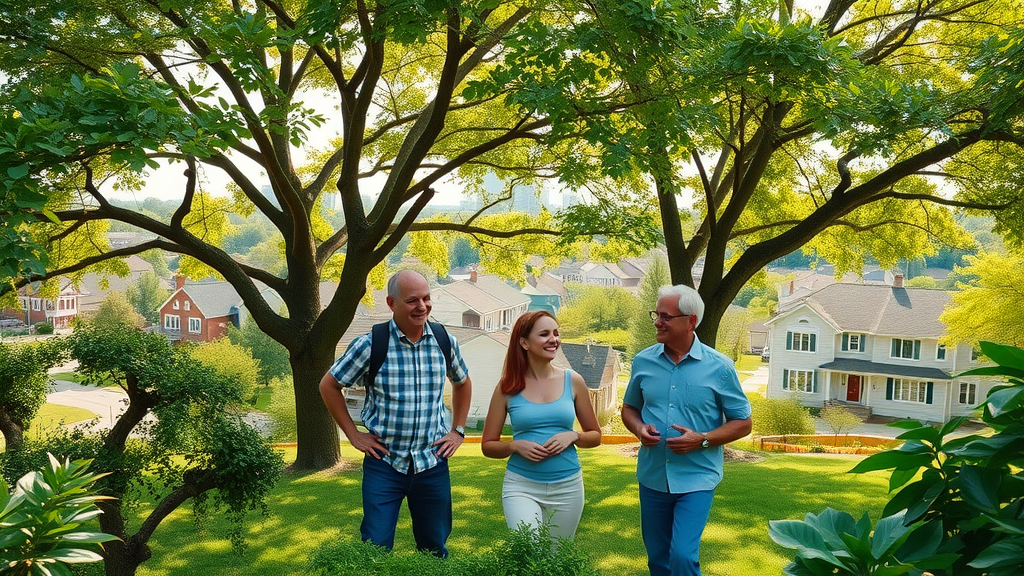
Professional arborist Kansas City - lush urban Kansas City landscape with healthy mature trees, cheerful homeowners, city skyline in the background, natural sunlight, lifelike texture

Did you know that healthy, thriving trees can increase your property value by up to 20% ? In the heart of Kansas City, where urban trees are more than just decoration—they’re critical assets—a professional arborist Kansas City is the unsung hero behind every vibrant landscape. Imagine walking into your yard to find healthy, well-groomed trees that shade your home, clean your air, and make your neighborhood a more vibrant place to live. This article reveals how the right tree care service can dramatically transform both your property’s curb appeal and its value, making expert arborist services a smart investment for every homeowner.

Did You Know Healthy Trees Can Increase Property Value by Up to 20%? Why a Professional Arborist Kansas City Makes All the Difference

Investing in a professional arborist Kansas City isn’t just about appearance—it’s about ensuring long-term tree health , preventing tree risk , and protecting your property from costly emergencies. Many Kansas City homeowners underestimate the science and skill that goes into urban tree care . Beyond basic trimming, a certified arborist provides expert diagnosis, careful disease management, and strategic tree pruning to mitigate hazards posed by weather and time. Kansas City’s climate, with its hot summers and sudden storms, presents unique challenges, making the guidance of a tree care professional invaluable.

Practical examples abound in local neighborhoods: perfectly pruned maples shading Kansas City bungalows, or a majestic oak that’s weathered decades of change due to ongoing nurturing from a tree care company . Homeowners who partner with a certified arborist often discover fewer broken branches after storms, quicker recovery from pests like the emerald ash borer , and a striking difference in curb appeal compared to neglected properties. If you’re looking to maximize the value and beauty of your landscape, professional tree care is the surest path.

What Sets a Professional Arborist Kansas City Apart in Tree Care and Tree Service?

A professional arborist Kansas City is not just another tree worker; they are extensively trained in the art and science of arboriculture . Unlike general landscaping, arboriculture requires a deep understanding of urban tree species, plant health , and local ecosystems. Certified arborists adhere to strict safety codes and use advanced tools for diagnostics and tree risk assessment to ensure every tree service is performed efficiently and safely.

What makes their service stand out is their commitment to data-driven decisions and ongoing education—especially those holding ISA certified arborist status. They can identify and treat complex issues like ash borer infestations and nutrient deficiencies invisible to the untrained eye. By investing in a professional tree care service , you’re paying for expertise that protects your urban tree investment for years to come.

In Kansas City’s ever-evolving landscape, choosing a qualified arborist means forming a partnership for your yard’s future. They help you with routine tasks like tree pruning , complex solutions such as cabling and bracing , and emergency tree removal when storms strike. The result is not just beautiful trees but a safer, healthier, and more resilient property.

Expert Tree Care Services in Kansas City: Comprehensive Solutions for Urban Tree Health

  • ISA Certified Arborist Inspections
  • Comprehensive Tree Health Care Service
  • Tree Removal and Emergency Tree Service
  • Tree Planting and Cabling and Bracing
  • Emerald Ash Borer Assessment and Treatment

Whether you need a strategic cabling and bracing solution to support a maturing oak, or a preventive health care plan for your beloved maples, a professional arborist Kansas City covers it all. Their services aren’t limited to only emergency situations or drastic removals. Instead, they focus on holistic plant health care —regular monitoring, soil enrichment, pest control, and preventive pruning—ensuring your landscape remains robust and resilient year-round.

Professional tree care services also specialize in crisis prevention, utilizing the highest quality tools and techniques. Through advanced ISA certified arborist inspections, these experts catch diseases and structural problems before they become disasters. With their deep knowledge of Kansas City’s unique woody plants and climate, the right care company can restore declining trees, safely remove hazardous limbs, and plan for future growth—giving your property lasting vitality.

Choosing a trusted tree care company also means benefitting from periodic updates about changes in best practices for Kansas City’s urban tree population. Most certified arborists offer a comprehensive tree care service, regularly reviewing your landscape to catch potential issues early, whether it’s the threat of emerald ash borers or simply the need for deep fertilization during a dry summer. In short, their approach is about preventing tomorrow’s headaches today.
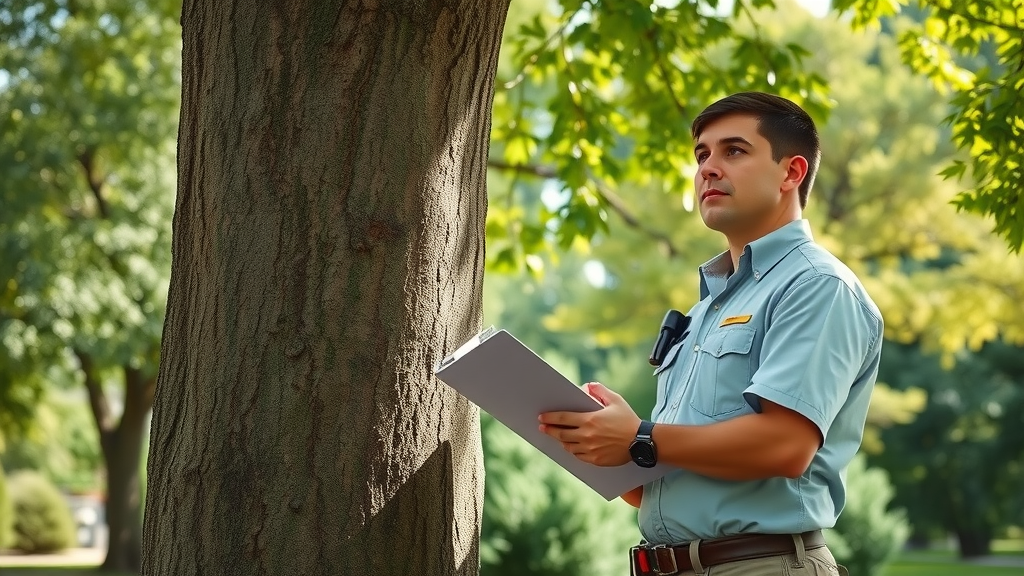
ISA certified arborist inspections - professional arborist in crisp uniform examining large tree in Kansas City park, diagnostic tools in hand

Why Choose an ISA Certified Arborist or Certified Arborists for Tree Care Services?

Entrusting your trees to an ISA certified arborist offers unparalleled assurance and results. These certified professionals undergo rigorous training and must pass challenging exams that cover everything from advanced plant health care to safe tree removal protocols. Their credentials mean you can be confident in their ability to diagnose tree problems, prescribe the right solutions, and execute every service to exacting industry standards.

Certified arborists also keep pace with changes in Kansas City’s urban forest—from evolving pests like the emerald ash borer to new recommendations on urban tree planting. Their peer-supported network promotes continuous education, ensuring the use of non-invasive techniques and eco-friendly treatments, and delivering care that supports both tree health and neighborhood safety.

Ultimately, choosing an ISA certified arborist is a commitment to the highest quality of professional tree service. It’s the distinction between a landscape that merely survives and one that thrives, lush and stable through every season Kansas City brings. No tree is too small or too large to benefit from the expertise of certified arborists who see the city’s woody plants as valuable community assets.

Service Description Why It's Essential
Tree Health Care Fertilization, pruning, disease management Vital for longevity and resilience
Tree Removal Safe removal of dead/dangerous trees Protects property and ensures safety
Emerald Ash Borer Management Assessment and treatments Prevents widespread tree loss
Cabling and Bracing Support for weak branches Prevents structural failure
Tree Planting Expert selection and planting Optimizes growth for Kansas City urban trees

Tree Removal, Tree Planting, and Urban Tree Health: What Professional Arborist Kansas City Services Provide

When it comes to tree removal , tree planting , and maintaining urban tree health , a professional arborist Kansas City brings unmatched expertise to the table. Whether mitigating risks from aging, hazardous trees or restoring streetscapes after severe weather, a skilled arborist handles the full spectrum of tree service. Safe, efficient tree removal safeguards your property while minimizing impact on surrounding landscape and infrastructure.

Planting new trees is another cornerstone of urban tree care. The right care company guides you on species selection, placement, and soil preparation, tailored to Kansas City’s unique climate and soil conditions. With their insight, trees mature faster, require less maintenance, and face fewer health challenges. Experienced arborists ensure each tree’s successful establishment, maximizing both beauty and environmental benefits for your property.

Continual investment in urban tree health provides multiple layers of protection. A proactive plant health care regimen—encompassing routine inspections, tree fertilization , and pest monitoring—allows even established trees to flourish. As Kansas City’s urban landscape grows denser, certified arborists give residents and property managers peace of mind that their leafy assets will provide beauty and shade for years to come.
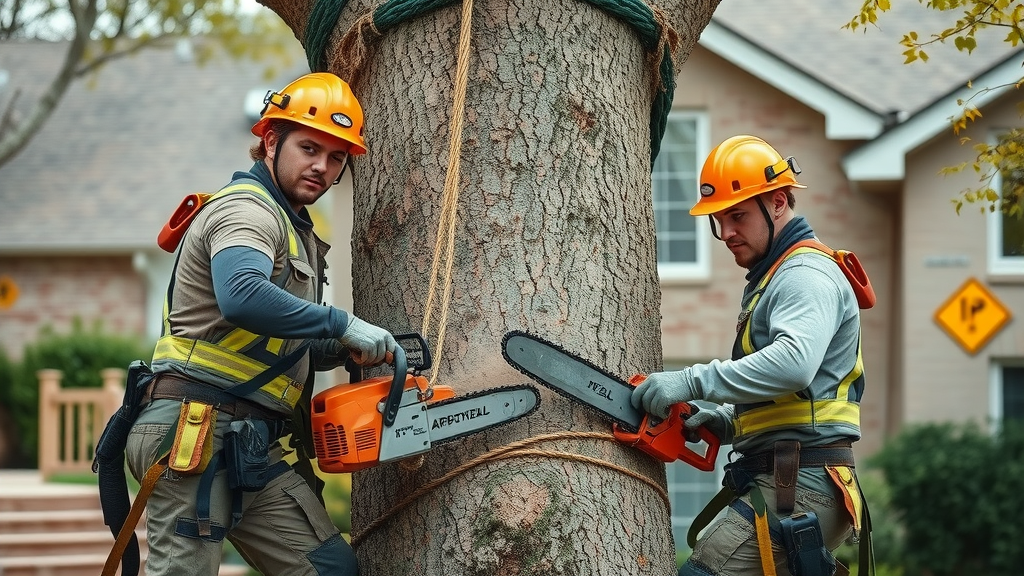
Professional arborist Kansas City - dynamic tree removal process, arborists in safety gear near Kansas City home, sawdust in the air, safety signs visible

Protecting Your Landscape from Emerald Ash Borer and Ensuring Long-Term Health with Professional Tree Care Service

The arrival of the emerald ash borer has threatened thousands of Kansas City’s most valued urban trees. A professional arborist Kansas City understands the signature signs—from D-shaped exit holes in bark to unusual canopy die-back—and implements best practices for detection and management. Timely intervention is crucial, as an untreated infestation can rapidly escalate, posing risks not just to single trees, but entire neighborhoods.

Certified arborists don’t just eradicate pests—they also safeguard soil and root health through comprehensive tree health care . This integrated approach includes pharmaceuticals to halt infestations, strategic pruning to encourage new growth, and recommendations for replacing vulnerable trees with more resilient species. Their solutions extend far beyond pests, supporting overall ecosystem well-being.

The work of an expert tree care company ensures your trees remain valuable assets, elevating property value and neighborhood enjoyment. With science-based strategies, they anticipate threats, offer proactive treatment plans, and teach you how to spot early warning signs yourself. Their expertise becomes your peace of mind in maintaining your Kansas City landscape’s health and resilience.

"Our certified arborists use science-based tree care to preserve the beauty and value of your Kansas City property."

How to Select the Best Professional Arborist Kansas City: What to Look for in a Tree Care Company

  1. Verify ISA Certified Arborist credentials
  2. Check local Kansas City experience
  3. Review comprehensive care service offerings
  4. Assess responsiveness to emergencies
  5. Compare customer testimonials and ratings

Finding the right professional arborist Kansas City starts with checking for ISA certified arborist credentials—a mark of advanced training and ongoing commitment to the highest industry standards. Seek out companies with deep roots in Kansas City, as local experience brings critical knowledge of what local trees need to thrive. Review the breadth of their care services, ensuring they offer inspections, preventive care, emergency response, and tailored guidance on tree planting and removal.

Responsiveness in emergencies is a hallmark of a top-tier tree care service . Rapid action during storms, or when a sudden pest outbreak occurs, can mean the difference between saving a cherished tree and removing it. Lastly, take time to compare genuine customer reviews, before-and-after galleries, and client testimonials, as these reflect both the professionalism and reliability of your prospective care company.

The decision to hire a professional arborist should be grounded in transparency and trust. Ask for certifications, insurance, and details on their approach to risk management and eco-friendly practices. A reputable tree care company will offer references and examples of prior work, demonstrating their ability to deliver long-lasting value for your Kansas City landscape.

ISA certified arborist credentials - smartphone with reviews, person comparing tree service companies at home in Kansas City, plants and memorabilia in background

The Role of ISA Certified Arborists in Urban Tree Care and Professional Tree Service

ISA certified arborists serve as stewards of Kansas City’s green infrastructure. Their work goes beyond isolated fixes, encompassing the ongoing health and adaptation of our entire urban forest. They possess a thorough understanding of tree biology, pest management, and the challenges facing modern cities, making their guidance invaluable to both homeowners and municipality leaders.

Their certification represents a mastery of diagnostic protocols, safety standards, and environmental responsibility—all crucial in densely populated urban settings. Whether you need sensitive tree pruning near power lines, root zone management in busy city parks, or complex cabling and bracing for majestic old trees, these arborists provide solutions that balance aesthetics and health and safety.

An ISA certified arborist is your greatest ally in maintaining your landscape’s beauty and functionality. Their careful approach, educational outreach, and hands-on involvement mean that your property will not only look its best, but also contribute positively to the local ecosystem. Make sure your chosen care company features certified arborists in leading roles, so you reap the full benefit of their expertise.

People Also Ask: Essential Questions About Professional Arborist Kansas City

What does a professional arborist Kansas City do?

A professional arborist Kansas City provides a comprehensive range of tree care services , from detailed health inspections and disease management to strategic pruning, fertilization, and safe tree removal . These certified experts safeguard the health and safety of your urban landscape, manage threats like storm damage or emerald ash borer infestations, and develop personalized plans for maintaining the overall well-being of your trees and shrubs. Their services are designed to maximize the value and beauty of your property while protecting it from avoidable risks.

How do I know if my Kansas City tree is at risk from emerald ash borer?

Signs that your Kansas City tree may be at risk from the destructive emerald ash borer include thinning or dying canopies , bark splitting, D-shaped exit holes, and increased woodpecker activity. The best way to protect your trees is to schedule a certified arborist inspection . A professional will assess your property’s trees, diagnose any signs of infestation, and recommend the right treatments to prevent serious loss or further damage from this dangerous pest.

Are ISA certified arborists necessary for tree removal and care services?

Yes— ISA certified arborists bring critical knowledge and best practices to every tree removal or care service. Their specialized training guarantees that even complex jobs are handled with the utmost attention to safety, property protection, and long-term tree health. By choosing a certified professional, you ensure that your trees and landscape receive the best possible care, minimizing risks and maximizing results for your Kansas City property.

What You'll Gain with a Professional Arborist Kansas City: Results You Can See

  • Enhanced landscape health and curb appeal
  • Increased property safety
  • Protection against invasive species (ash borer, emerald ash borer)
  • Professional guidance on planting and maintenance
  • Ongoing support from an expert Kansas City care company

The benefits of a professional arborist Kansas City extend far beyond surface appearance. You’ll see fewer fallen branches after storms, stronger tree growth each season, and lasting curb appeal that makes your home stand out. Regular monitoring and science-driven care help maintain the health and safety of your trees, preventing small problems from turning into expensive emergencies. Plus, the ongoing advice of a tree specialist allows you to choose the best planting and maintenance strategies, supporting your yard’s success for years to come.

By partnering with a reputable tree care company , you invest in a landscape that is not only beautiful, but also sustainable and environmentally responsible. Their ongoing support is a resource for whenever you need guidance on tree replacement, pest threats, or seasonal care, ensuring your urban landscape in Kansas City is always at its best.

Homeowners and businesses alike find their investment pays off in peace of mind as well as property value—an outcome made possible only with professional, certified stewardship of Kansas City’s green spaces.

Professional arborist Kansas City - before and after urban yard, overgrown trees on left, vibrant healthy trees on right, delighted family, Kansas City skyline

Customer Success Story: Transforming an Urban Tree Landscape with Professional Arborist Kansas City

When the Reynolds family moved into their Overland Park home, their once-beautiful landscape was dominated by dying elms, hazardous branches, and a patch of trees struggling to survive Kansas City’s harsh storms. They called a professional arborist Kansas City for help. The certified arborists performed comprehensive risk assessments, removed dangerous limbs, treated underlying diseases, and planted resilient new maples tailored for the local climate.

Over the next year, the transformation was dramatic: trees rebounded, the lawn received more sunlight, and previously failing shrubs flourished with new life. “The difference is amazing,” says Mrs. Reynolds. “Our trees are healthier, our property looks better, and we feel safer during every storm.” Their experience is a testament to the strategic difference a certified expert brings to residential urban tree landscapes.

Success stories like the Reynolds’ are common throughout Kansas City. Each one proves that investing in a reputable tree care service doesn’t just solve today’s challenges—it builds a vibrant, beautiful future for your home and neighborhood.

Frequently Asked Questions about Tree Care and Tree Service in Kansas City

  • How often should urban trees be inspected by a certified arborist?

    Urban trees in Kansas City should be inspected by a certified arborist at least once a year to catch developing health or tree risk issues early. More frequent checks may be needed if your trees have previously suffered storm damage or are at risk from pests like the emerald ash borer .

  • Can tree care services prevent storm damage in Kansas City?

    Yes, strategic tree pruning , regular assessments, and timely cabling and bracing can greatly reduce storm damage, keeping your landscape and property safer during Kansas City’s intense weather events.

  • What is the process for tree removal in city spaces?

    Tree removal begins with a site assessment by a professional arborist Kansas City , followed by securing the necessary permits. The process includes removing limbs, lowering trunk sections for safety, and thorough clean-up—always using best practices to minimize disruption to surrounding trees and plants.

  • When should I consider cabling and bracing for my trees?

    Cabling and bracing are best when a tree's structure is compromised but still healthy. Signs include a split trunk, long heavy limbs, or a previous storm injury. A certified arborist can evaluate your trees and recommend the right solution to extend their lifespan safely.

  • Does routine tree planting help support local ecology?

    Absolutely! Regular tree planting restores Kansas City’s urban forest, provides wildlife habitats, improves air quality, and makes communities more attractive—underscoring the far-reaching benefits of working with a professional arborist.

Let a Certified Arborist Enhance Your Urban Landscape: Your Professional Arborist Kansas City Partner

Don’t leave your landscape’s future to chance. Call Paul Weaver Arborist at 913-915-4165 and experience the lasting value of expert tree care from a trusted, professional arborist Kansas City. Your trees—and your property—deserve the best.

Annual tree health assessments Kansas City

26 Views

Write A Comment

*
*
Please complete the captcha to submit your comment.
Related Posts All Posts

Yellowing leaves on a Pin Oak in Kansas City - A silent killer

Iron Chlorosis in Kansas City Trees:What’s Really Causing It and How to Fix ItYou drive through a neighborhood in Kansas City and notice it right away.Bright yellow leaves where there should be deep green. Veins still holding color, but everything in between fading out. It shows up fast in maples, pin oaks, and ornamental trees, and once you see it, you start noticing it everywhere. Dont guess get a professional tree diagnosis in kansas cityThat’s iron chlorosis. Over 3 decades as an Arborist, I can tell you this is one of the most misdiagnosed and mistreated tree issues in the Kansas City area. And in many cases, the way it’s commonly treated actually makes the problem worse over time.What Is Iron Chlorosis in Trees?Iron chlorosis is a condition where a tree is unable to produce enough chlorophyll due to a lack of usable iron within the leaf.The key word there is usable.In many cases, iron is present in the soil. The tree just can’t access it. That’s why iron chlorosis in trees is not always a deficiency—it’s often an uptake problem tied directly to soil conditions.Over 3 decades as an Arborist, I’ve also seen cases where iron levels were actually in excess based on leaf tissue analysis, yet the tree was still showing classic chlorosis symptoms. That tells you right away the issue isn’t a lack of iron—it’s a breakdown in how the tree is processing and utilizing nutrients.That distinction is where most treatments go wrong.Why Iron Chlorosis Is So Common in Kansas CityKansas City soils create the perfect conditions for iron chlorosis to develop.The heavy clay soils found throughout the area tend to compact easily, hold moisture, and limit oxygen at the root level. On top of that, many soils in the region trend alkaline, which further reduces iron availability.In my experience as an Arborist working across Kansas City, this combination leads to a consistent pattern. Trees have iron in the soil, but the chemistry and biology of the soil prevent the tree from using it effectively.And in some cases, even when iron is already present in adequate—or excessive—levels, trees still show chlorosis because the system itself isn’t functioning properly.Why Traditional Iron Chlorosis Treatments Fail The standard response to iron chlorosis is simple. Apply iron.Liquid treatments, injections, soil drenches—sometimes repeated year after year.I spent years working within that model, and I can tell you it often produces temporary cosmetic improvement at best.Here’s the problem.If the soil conditions aren’t addressed, the tree still can’t properly uptake nutrients. Even more concerning, I’ve seen situations where additional iron was applied to trees that already had elevated iron levels based on leaf tissue analysis.The result isn’t improvement. It’s added stress to an already struggling system.Over time, repeated chemical applications can disrupt soil biology, reduce natural nutrient cycling, and contribute to runoff that affects surrounding landscapes and water systems.This is where the “1-800-CHEMLAWN” approach shows up—treating symptoms instead of understanding the cause.What’s Really Causing Iron ChlorosisIron chlorosis in trees is almost always tied to soil function.Compacted soil reduces oxygen availability. Poor drainage creates stress around the root system. Alkaline conditions limit iron solubility. Declining microbial activity slows nutrient cycling.All of these factors combine to create a situation where iron is present, but unavailable.And in some cases, as I’ve seen in the field, iron may even be present in excess, but still unusable due to poor soil biology and root dysfunction.In other words, the system isn’t working.And when the system isn’t working, adding more inputs doesn’t fix it.When Should You Treat Iron Chlorosis?Timing and severity matter.In my experience as an Arborist, iron chlorosis should be approached based on how far the tree has declined.In early stages, where symptoms are mild, the focus should be on improving soil conditions and restoring function. That’s where long-term correction begins.But when chlorosis progresses into more advanced decline—where yellowing becomes widespread, canopy density drops, and overall tree health begins to deteriorate—that’s when deeper diagnostics become critical.This is where leaf tissue analysis becomes especially valuable.It allows us to determine whether the issue is true deficiency, nutrient imbalance, or a situation where nutrients like iron are already present but not being properly utilized.In more severe cases, this is often the turning point between continued decline and recovery.Why Soil Health Is the Real SolutionIron chlorosis is not a surface-level issue, and it doesn’t have a surface-level fix.The real solution is improving the environment the tree depends on.That means addressing compaction, improving oxygen flow, and supporting microbial life that drives nutrient availability.When soil biology is functioning properly, nutrients—including iron—become available in a form the tree can actually use.That’s when you see real improvement that lasts.What This Looks Like in the FieldI see this across Kansas City every year.A tree begins to yellow. Treatments get applied. The color improves briefly, then fades again the following season.The cycle repeats.When leaf tissue analysis is finally performed, it often shows that iron levels are already sufficient—or even elevated—yet the tree is still showing chlorosis.That’s when it becomes clear the issue isn’t deficiency.Once the focus shifts to soil health and root function, the tree begins to stabilize. Color improves. Growth returns. The canopy fills back in over time.That’s not a quick fix. It’s a correct fix.Why Iron Chlorosis Keeps Coming BackIf iron chlorosis is treated as a deficiency instead of a system failure, it will continue to return.That’s why so many homeowners find themselves treating the same tree year after year with little long-term improvement.Until the soil environment is corrected, the underlying issue remains.And that’s something I’ve seen repeatedly over 3 decades as an Arborist.Understanding the Bigger Picture of Tree Decline Which one wouldyou prefer?Iron chlorosis is often just one piece of a larger issue.If a tree is struggling with nutrient uptake, there are usually deeper problems at play, including compaction, root stress, and biological decline in the soil.If you want to better understand how these issues connect, take a look at our guide on common causes of tree decline in Kansas City, where we break down what leads to long-term stress in urban trees.And if you're looking for a more effective, soil-first approach to tree service Kansas City, working with an Arborist who understands soil biology and plant function will make a measurable difference.Final Thoughts From the FieldOver 3 decades as an Arborist has shown me that iron chlorosis isn’t really about iron.It’s about whether the system supporting the tree is functioning properly.You can keep adding inputs, or you can correct the conditions that allow the tree to thrive.When soil health is restored, trees are able to access nutrients naturally, regulate growth, and maintain long-term stability without repeated intervention.And that approach protects more than just the tree. It protects the soil, the water, and the environment everything depends on.

Why Most Tree Services Misdiagnose Tree Problems 

Why Most Tree Service Kansas City Companies Misdiagnose Tree ProblemsMost tree service Kansas City companies misdiagnose tree problems—and it’s one of the biggest reasons trees continue to decline even after treatment. Homeowners across Kansas City often call a company when a tree starts to look unhealthy, expecting a clear answer and a solution. Instead, what they often receive is a surface-level diagnosis based only on visible symptoms. As an ISA Certified Arborist in Kansas City with over 35 years of experience, I’ve seen firsthand how this approach leads to repeated treatments, wasted money, and ultimately the loss of trees that could have been saved.A tree begins to decline, the leaves discolor, the canopy thins, or branches begin to die back. A typical tree service Kansas City provider may identify insects, disease, or nutrient deficiency and recommend spraying or fertilization. But a year later, the tree looks worse. That’s not bad luck—that’s misdiagnosis.The Real Problem with Tree Diagnosis in Kansas CityThe biggest issue with tree service Kansas City diagnostics is that most companies are trained to treat what they can see, not what is actually causing the problem. They focus on leaf symptoms, insect presence, bark damage, and visible stress indicators. While these observations are important, they are rarely the root cause of decline. Everything is connected. Get a free tree diagnosis in Kansas City from our certified arborists today. In Kansas City, tree health problems are most often tied to soil conditions, root damage, and environmental stress. Heavy clay soils, compaction from construction, poor drainage, and years of chemical applications all contribute to declining tree health. These are not issues that can be identified by looking at the canopy alone. An experienced ISA Certified Arborist Kansas City understands that everything happening above ground is a reflection of what’s happening below ground. Everything is connected. Get a free tree diagnosis from our certified arborists today. Why Tree Service Kansas City Companies Get It WrongThere are several reasons why misdiagnosis is so common in the tree service Kansas City industry.First, speed and volume. Many companies are built around high-volume service models. They move quickly from property to property, offering fast diagnoses and immediate treatment recommendations. This doesn’t allow time for proper evaluation of soil health, root conditions, or site history.Second, outdated training. Traditional arboriculture training has heavily emphasized pest and disease management using chemical treatments. While those tools have their place, they often overshadow the importance of soil biology, root function, and environmental factors.Third, business incentives. It’s easier—and more profitable—to sell a treatment than to explain complex soil-related issues. As a result, many tree service Kansas City providers default to recommending sprays or fertilizers rather than addressing foundational problems. Commonly Misdiagnosed Tree Problems in Kansas CityIn Kansas City landscapes, I’ve seen the same misdiagnosed issues repeat over and over.Yellowing leaves are often labeled as nutrient deficiencies, when in reality, compacted soil is preventing roots from absorbing nutrients. Insect infestations are treated aggressively, even though they are often a symptom of a stressed tree rather than the cause. Fungal issues are blamed for decline, when they are frequently opportunistic organisms attacking already weakened trees.A knowledgeable ISA Certified Arborist in Kansas City recognizes that these symptoms are signals, not causes. Treating them without addressing the underlying issue leads to temporary improvement at best—and long-term decline at worst.If you want a deeper understanding of this, see why trees decline in Kansas City landscapes and how soil conditions drive most problems.What a Proper Tree Diagnosis Should IncludeA true diagnosis from an ISA Certified Arborist Kansas City goes beyond visual inspection. It includes evaluating the entire ecosystem the tree depends on.This means assessing soil compaction, oxygen availability in the root zone, organic matter levels, microbial activity, drainage patterns, and historical site conditions such as construction damage or grading changes. Without this level of analysis, any diagnosis is incomplete.A professional tree service Kansas City provider should be able to explain not just what is happening, but why it is happening—and how the recommended solution addresses the root cause.The Role of Soil in Tree Health in Kansas CitySoil is the foundation of tree health, especially in Kansas City where clay-heavy soils dominate the landscape. These soils are prone to compaction, which reduces oxygen availability and limits root growth. When roots cannot function properly, the entire tree begins to decline.Healthy soil is a living system. It contains microorganisms that break down organic matter, cycle nutrients, and support root development. When that system is disrupted—whether by construction, overwatering, or chemical use—the tree loses its ability to sustain itself.An experienced ISA Certified Arborist Kansas City focuses on restoring this system, not just treating symptoms. That’s the difference between short-term improvement and long-term health.Why Chemical Treatments Often FailMany tree service Kansas City companies rely heavily on chemical treatments because they produce fast, visible results. But these results are often temporary.If a tree is declining due to poor soil conditions, applying fertilizer or pesticides does not fix the underlying issue. In some cases, it can make things worse by disrupting beneficial soil biology.Chemical treatments should be used selectively—not as a default response. A proper diagnosis determines whether they are necessary at all. This is where working with a true ISA Certified Arborist in Kansas City makes a significant difference.A Better Approach to Tree Service in Kansas CityThe most effective tree service Kansas City approach is one that looks at the entire system.This includes soil health, root function, environmental stress, and site history. Instead of reacting to symptoms, the goal is to restore balance and support the tree’s natural processes.If you’re evaluating a tree service Kansas City company, ask how they diagnose problems. Do they evaluate soil conditions? Do they explain root health? Or do they simply recommend treatments based on what they see?Those answers will tell you everything you need to know.You can also explore organic tree care Kansas City methods that focus on soil biology and long-term sustainability.How to Avoid Tree MisdiagnosisHomeowners in Kansas City can avoid costly mistakes by asking the right questions.Ask what is causing the problem—not just what it looks like. Ask how soil conditions are affecting the tree. Ask whether the recommended treatment will improve long-term health or just provide a temporary fix.A qualified ISA Certified Arborist Kansas City should have clear, confident answers to these questions. If they don’t, it may be worth getting a second opinion.Final Thoughts from an ISA Certified Arborist Kansas CityMisdiagnosis is one of the leading reasons trees continue to decline despite treatment. When tree service Kansas City companies focus only on visible symptoms, they miss the underlying issues that actually determine tree health.After more than 35 years as an ISA Certified Arborist, I’ve learned that the best results come from understanding the full system—soil, roots, environment, and biology working together.If you’re looking for a tree service Kansas City provider that focuses on real diagnosis and long-term solutions, start by working with someone who looks below the surface—not just at what’s visible.

The Truth About Pre-Emergent Chemicals and Why I Suggest to Stop Using Them

A 35+ Year Arborist’s Perspective on Tree Spraying Services in Kansas City“Spraying trees with the nutrients they need to survive — not covering up symptoms with chemicals.”That’s not just a slogan. It’s a philosophy that took me more than three decades in this industry to fully understand.In my 35+ years as an Arborist, I spent a large portion of my career doing exactly what most tree spraying services in Kansas City still do today—applying chemical treatments. Herbicides, fungicides, insecticides, and pre-emergent weed control products were considered standard practice.At the time, that’s what the industry taught. That’s what homeowners expected. And frankly, it’s what most companies still rely on today.But over time, I started noticing something that didn’t sit right.The same properties needed the same treatments… year after year.The same trees continued to struggle.And the same problems kept coming back.That’s when I began to question whether the system was actually working. The Problem with Traditional Tree Spraying in Kansas CityMany homeowners searching for tree spraying companies near me assume chemical applications are the only way to protect their trees.And on the surface, it can look like they work.Leaves green up. Insects disappear. Lawns look uniform.But in reality, most of these treatments are addressing symptoms—not the underlying cause.As an ISA Certified Arborist, one of the most important lessons I’ve learned is this:If you’re constantly treating the same problem, you’re not solving it.Traditional tree spraying services in Kansas City often rely on chemical-based, EPA-registered products designed for fast, visible results. But those results are usually temporary.And the reason is simple—the real issue is happening below ground.Why Pre-Emergent Chemicals Don’t Fix the ProblemPre-emergent herbicides are one of the most widely used products in lawn and tree care programs.They’re designed to prevent weed seeds from germinating.But here’s the question I started asking years ago:If pre-emergents actually solved the weed problem… why do they have to be applied every single year?The cycle usually looks like this:Apply pre-emergentWeeds still appearApply herbicidesRepeat the following seasonThat’s not a solution. That’s a maintenance cycle.In my experience as an Arborist, homeowners looking for tree spraying services Kansas City are often surprised to learn that these treatments don’t correct the underlying issue.They simply suppress symptoms while the soil continues to decline.The Soil Microbiome: What Most Tree Spraying Companies IgnoreHealthy soil isn’t just dirt—it’s a living ecosystem.It contains:Beneficial bacteriaMycorrhizal fungiProtozoaNematodesMicroscopic arthropodsThese organisms form a complex biological network that supports plant health.When this system is functioning properly, trees are naturally more resilient. They can access nutrients efficiently, regulate water, and defend themselves against stress.But many conventional tree spraying companies near me rely on chemical programs that disrupt this system over time.Repeated applications can reduce microbial diversity and weaken the soil’s natural balance.And when that happens, trees lose their built-in defense mechanisms.That’s when homeowners start searching for:arborist near metree spraying companies near metree spraying services Kansas CityBut in many cases, the tree itself isn’t the real problem.The soil is.Why Weeds Are a Symptom — Not the ProblemOne of the biggest misconceptions in lawn and tree care is that weeds are the enemy.In reality, weeds are a signal.They show up when soil conditions are out of balance.In my 35+ years as an Arborist, I’ve found that most weed problems come back to three core issues:1. Excess Synthetic FertilizersHeavy applications of synthetic fertilizers can create nutrient imbalances in the soil.Over time, this can:Reduce microbial activityCreate salt buildupDamage root systemsAlter soil pHWhile lawns may look greener temporarily, the long-term effect is often a weaker soil system.And weakened soil invites weeds.2. Collapsing Soil BiologyTrees depend on beneficial microorganisms to survive.But many chemical treatments used in traditional tree spraying Kansas City programs suppress those organisms.When soil biology breaks down, trees begin to show signs of stress:Yellowing leavesThinning canopySlowed growthIncreased pest activityAt that point, homeowners start searching for a certified arborist Kansas City—but the issue has often been developing for years.3. Poor Water QualityThis is something most companies never talk about.In many areas, irrigation water may contain contaminants, including compounds sometimes referred to as “forever chemicals.”Over time, these substances can accumulate in soil and interfere with both plant health and microbial activity.As an ISA Certified Arborist, I’ve seen how water quality can quietly contribute to long-term tree decline.Again, the tree isn’t failing on its own.The environment around it is changing.Can Soil Be Repaired?Yes—but only if you address the biology.After decades of chemical use, many soils have lost the microbial life that supports plant health. When that system collapses, the soil can no longer function the way it should.The good news is that soil can be restored.In my years working as an Arborist, I’ve spent a great deal of time studying how to rebuild soil ecosystems and support long-term tree health.And I can tell you this—when the soil starts functioning properly again, the results are noticeable.Trees regain vigor. Growth improves. Stress tolerance increases.But this isn’t an overnight fix.It requires a shift away from short-term treatments and toward long-term solutions.After decades in this industry, I only trust one supplier for the materials I use on my clients’ trees. Why I Changed My Approach to Tree Spraying ServicesAfter more than 35 years in arboriculture, I’ve seen both sides of this industry.I’ve seen what chemical dependency does to soil over time.And I’ve seen what happens when that system is restored.The difference is night and day.That’s why my approach to tree spraying services Kansas City has completely changed.Today, the focus is on:Soil biologyNutrient balanceEnvironmental conditionsLong-term ecosystem healthBecause healthy trees don’t just survive—they adapt, defend themselves, and thrive.If You’re Searching for an Arborist Near Me in Kansas CityIf you found this because you searched for:arborist near mearborist Kansas Citytree spraying companies near metree spraying services Kansas CityHere’s what you need to understand:Most tree problems don’t start in the canopy.They start in the soil.That’s why true tree health care Kansas City isn’t about spraying more chemicals—it’s about improving the environment the tree depends on.If you want a deeper understanding of how tree decline develops, I recommend reading our guide on how to identify early signs of tree stress, which breaks this down in more detail.And if you’re evaluating your options, learning more about professional tree service Kansas City can help you understand what a complete approach to tree care should look like.The Future of Tree Care in Kansas CityThe future of tree care isn’t about continuing the same chemical programs that have been used for decades.It’s about changing how we think about plant health entirely.For too long, the industry has focused on treating symptoms—spraying for pests, weeds, and disease without addressing why those problems exist in the first place.As an ISA Certified Arborist, my focus is on solving problems at their root cause.Because when you fix the soil:Trees become more resilientLawns require less interventionThe entire landscape becomes more balancedAnd if someone is just looking for a quick chemical fix?They can always call “1-800-CHEMLAWN.”Healthy Trees Start with Healthy SoilAfter decades in this industry, I can tell you with certainty—everything comes back to the soil.When soil biology is functioning properly, trees have access to the nutrients they need. They can regulate water, resist pests, and maintain strong, healthy growth.When that system is broken, no amount of chemical spraying will truly fix the problem.Long-term tree health depends on restoring balance below ground.That’s the approach I’ve committed my career to as an Arborist—and it’s what continues to deliver real, lasting results. pPaul Weaver Arborist ISA Certified Arborist MW-4888A

Terms of Service

Privacy Policy

Core Modal Title

Sorry, no results found

You Might Find These Articles Interesting

T
Please Check Your Email
We Will Be Following Up Shortly
*
*
*