
Add Row
Add Element
paul weaver arborist kansas city
update

Paul Weaver Arborist Blog
913-915-4165

update
Add Element
  • Home
  • Categories
    • tree spraying kansas city
    • Ash borer treatments Kansas City
    • Tree fertilization Kansas Cit
    • Tree disease diagnosis Kansas City
    • Annual tree health assessments Kansas City
    • Expert advice from a licensed arborist kansas city
    • Tree Diagnosis Kansas city
    • Organic tree care Kansas City
    • Arborist Kansas City
    • tree care kansas city
    • tree service kansas city
    • organic tree care
  • All Posts
  • tree spraying kansas city
  • Ash borer treatments Kansas City
  • Tree fertilization Kansas Cit
  • Tree disease diagnosis Kansas City
  • Annual tree health assessments Kansas City
  • Expert advice from a licensed arborist kansas city
  • Paul Weaver Arborist Kansas City
  • Tree Diagnosis Kansas city
  • Organic tree care Kansas City
  • Arborist Kansas City
  • tree care kansas city
  • tree service kansas city
  • organic tree care
9 Minutes Read

Kansas City tree pest management Secrets Revealed

Looking to keep your Kansas City trees lush and vibrant year-round? Want the inside scoop on how professional arborists safeguard your urban forest from the city’s most destructive pests? Kansas City tree pest management isn’t just about saving trees—it’s about protecting your entire community, property value, and the rich biodiversity that makes our city beautiful. In this guide, you’ll uncover proven tactics, learn how to spot early warning signs, and find actionable steps to ensure your landscape stays healthy and pest-free. Let’s reveal the secrets professionals don’t want pests—or homeowners—to miss!

Unlocking Kansas City Tree Pest Management: Why Local Solutions Matter

Every city has its own unique ecosystem and challenges when it comes to tree health—and Kansas City tree pest management is no different. The region’s distinct seasons, high humidity, and variety of native and introduced tree species create a special environment where certain pests flourish and others are less of a threat. That’s why successful pest management must go beyond generic solutions, focusing instead on regional expertise and tailored strategies. Whether you're a homeowner or property manager, understanding these local factors ensures that your trees aren’t just surviving, but thriving. By addressing Kansas City’s most common pests with methods proven to work in our climate and soil, you'll preserve the beauty, shade, and value that well-maintained trees provide for generations to come.

Practical examples from neighborhoods across Kansas City highlight the importance of a local approach. For instance, choosing species resilient to the emerald ash borer or working with a certified arborist who knows the timing of seasonal outbreaks can mean the difference between a flourishing tree canopy and expensive removal bills. When you tailor your tree pest management to the city’s climate, pest cycles, and community needs, you safeguard not only your landscape, but also support a healthier, greener Kansas City for all.
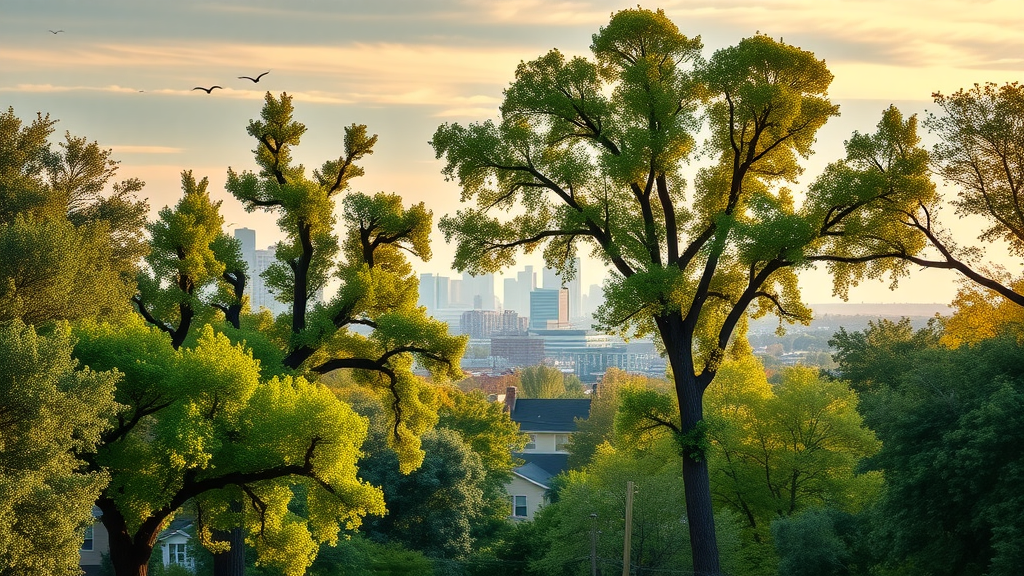


lush, healthy urban trees in a vibrant Kansas City neighborhood showing diversity of tree species and city skyline in the background
  • By reading this post, you’ll discover:

    • Proven Kansas City tree pest management tactics professionals use

    • How to identify early signs of pest problems in Kansas City trees

    • Top pests impacting Kansas City’s urban trees and how to control them

    • Steps to protect your property and community’s greenery with effective Kansas City tree pest management

Understanding Kansas City Tree Pest Management: Fundamentals Every Property Owner Should Know

Major Pests Affecting Kansas City Trees—Identification and Risks

A crucial part of effective Kansas City tree pest management is recognizing which pests pose the greatest threat and understanding how they operate. Among the city’s most notorious invaders, the emerald ash borer stands as the top threat, having killed millions of ash trees across the Midwest. These iridescent green beetles burrow under the bark, disrupting a tree’s ability to transport nutrients and water. Bagworms, recognizable by their cocoon-like bags dangling from evergreen branches, can defoliate and kill pines and junipers if left unchecked. The pine sawfly, another destructive caterpillar, targets mugo pines and Scotch pines, while scale insects attach themselves to branches and trunks, draining sap and weakening trees over time.

Japanese beetles deserve special mention for their voracious appetites, skeletonizing leaves on linden, maple, and many ornamental species. Early identification of these pests is necessary for rapid intervention. Look for clusters of small, brightly colored beetles, web-like bags on evergreens, or sticky residue on bark and leaves—a telltale sign of sap-sucking insects.
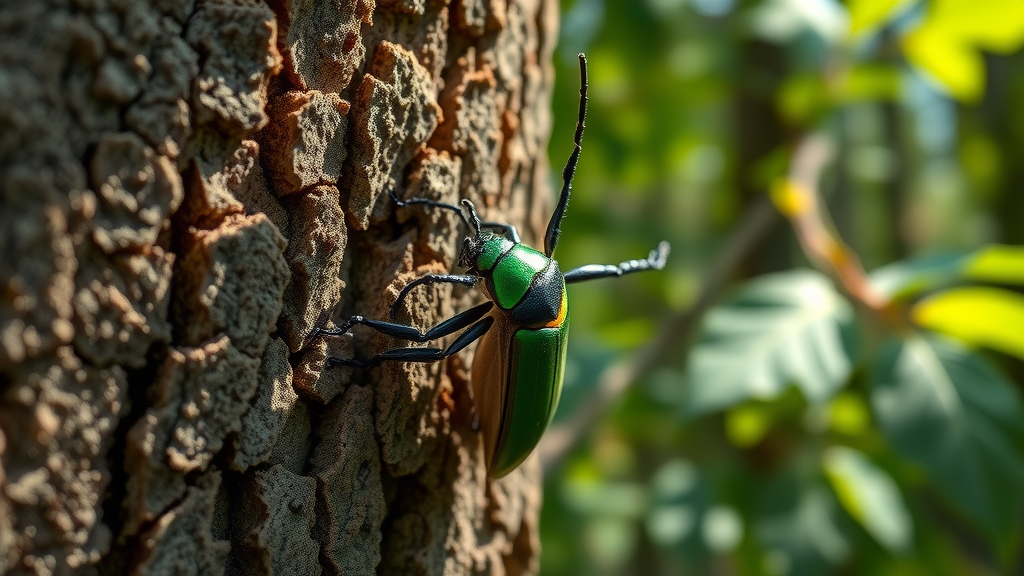


emerald ash borer beetle on tree bark close-up, Kansas City
  • Common pests threatening Kansas City trees:

    • Emerald ash borer

    • Bagworms

    • Pine sawfly

    • Scale insects

    • Japanese beetles

Recognizing Early Signs of Infestation in Kansas City Tree Pest Management

The earlier you catch a pest problem, the easier it is to stop the damage and save your tree. Effective Kansas City tree pest management starts with understanding and monitoring for the first hints of trouble. Leaf discoloration—especially sudden yellowing or browning not associated with seasonal change—is a classic red flag. Watch for premature leaf drop outside of autumn, which can signal other stressors like borers or disease. Another early warning sign is an increase in woodpecker activity. These birds are natural predators drawn to trees infested with wood-boring insects, so if you see them pecking around your ash trees, it’s time to inspect more closely.

Bark splitting and the sudden appearance of small, round exit holes—often left by emerging adult beetles—should never be ignored. Carefully peel back a section of bark if you suspect a problem: winding galleries or unusual insect larvae are an immediate call to seek professional help. The bottom line? Consistent, close observation of your trees throughout the growing season is fundamental to disrupting pest lifecycles before they become widespread.

  • Early warning symptoms to monitor:

    • Leaf discoloration

    • Unusual woodpecker activity

    • Premature leaf drop

    • Bark splitting and exit holes

Proven Strategies for Effective Kansas City Tree Pest Management

Integrated Pest Management (IPM) for Kansas City Trees

Savvy property owners and tree care professionals in Kansas City are increasingly adopting Integrated Pest Management (IPM) —a holistic, environmentally conscious approach to pest control. IPM starts with regular monitoring: frequent, thorough inspections to catch issues early, reducing the need for harsh interventions. Instead of immediately reaching for chemical treatments, IPM relies heavily on beneficial insects as biological controls , introducing predators like lady beetles or lacewings that eat scale and other pests. Chemical applications, when required, are minimal, carefully targeted, and often reserved for high-value or highly infested trees.

This approach extends to cultural practices: proper pruning, mulching, and irrigation strengthen tree health—making them less susceptible to attack in the first place. By balancing preventative maintenance with responsible intervention, IPM dramatically reduces the risk of large-scale infestations and protects pollinators and other beneficial wildlife vital to a thriving urban ecosystem.
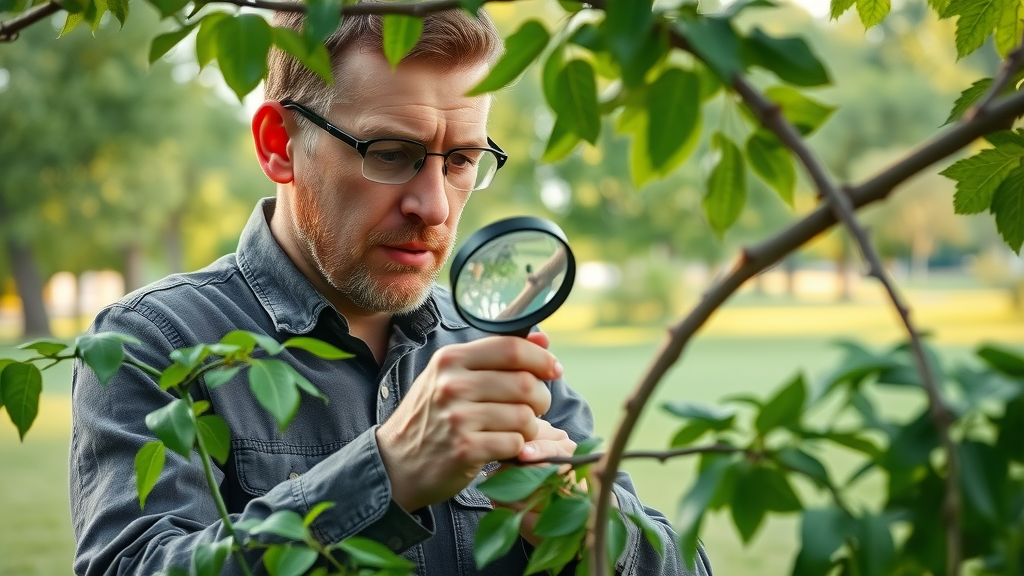


arborist inspecting a Kansas City tree for pests using magnifying glass, IPM inspection
  • IPM combines the following:

    • Regular monitoring

    • Biological controls (beneficial insects)

    • Minimal, targeted use of chemical treatments

    • Cultural practices such as pruning and mulching

Eco-Friendly Kansas City Tree Pest Management Techniques

Concerned about chemical runoff or harm to pollinators? Eco-friendly Kansas City tree pest management options are both effective and sustainable for urban and suburban yards. One of the most reliable methods is introducing natural predators—like predatory beetles or parasitic wasps—into your landscape to naturally suppress populations of aggressive pests. Neem oil and horticultural soaps offer gentle, non-toxic alternatives to synthetic sprays, working by smothering soft-bodied bugs without leaving harmful residues on leaves, bark, or in the soil.

Strategic tree species selection and landscape design also play enormous roles in eco-friendly pest control. By planting a diverse mix of region-appropriate trees and ensuring proper placement for air circulation, you reduce the risk of mass infestation and create a more resilient canopy. Eco-conscious property owners regularly monitor trees and quickly remove infested limbs, breaking pest cycles naturally. With the right plan, your urban forest can remain lush and green—without the downside of chemical overload.

  • Sustainable options include:

    • Introduction of natural predators

    • Neem oil and horticultural soap sprays

    • Proper tree species selection and placement to resist pests

Kansas City Tree Pest Management Professional Services: What to Expect

How to Choose a Reliable Kansas City Tree Pest Management Company

With so much at stake, selecting the right Kansas City tree pest management professional means more than checking online reviews. Look for companies employing ISA Certified Arborists , as this designation proves up-to-date credentials and specialized tree pest knowledge. Proven experience with the local pest community is essential. Ask prospective companies about specific successes combating emerald ash borer, bagworms, or other pests commonly plaguing Kansas City trees.

Transparent service guarantees and clear communication signal a reputable company. The best providers offer detailed service outlines and stand behind their work. Don’t forget to ask for local references and check recent reviews—firsthand testimonials often reveal how companies respond to emergencies, stand behind warranties, or customize treatment plans for Kansas City’s unique environment.
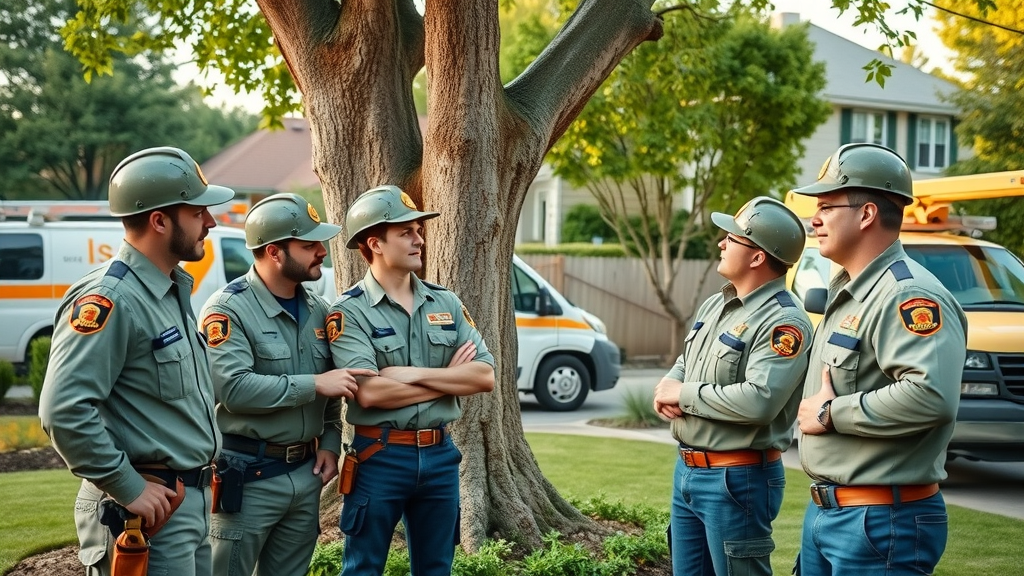


professional arborists consulting with homeowner about tree pest management in Kansas City
  • Select the right expert by looking for:

    • ISA Certified Arborists

    • Proven experience with Kansas City pests

    • Transparent service guarantees

    • Local references and reviews

What Professional Kansas City Tree Pest Management Treatments Include

When you engage a professional service for Kansas City tree pest management , you can expect comprehensive care far beyond basic treatments. Most companies begin with a thorough pest assessment and diagnostic review, examining each tree for visible symptoms, stressors, and hidden infestations. Once pests are identified, experts will suggest safe pesticide applications only if absolutely necessary, prioritizing the health of your family, pets, and pollinators.

Long-term care may involve ongoing monitoring, regular health consultations, and tailored preventative maintenance plans. These often include periodic pruning, soil amendments, and tips on watering and fertilization—all designed to boost your trees’ natural pest resistance. Remember, investing in professional pest management doesn’t just address current problems; it helps future-proof your landscape for years to come.

  • Common service offerings:

    • Thorough pest assessments and diagnostics

    • Safe pesticide application

    • Long-term preventative maintenance plans

    • Pruning and tree health consultations

Kansas City Tree Pest Management Cost Breakdown and Value

Kansas City Tree Pest Management Service

Average Cost Range

Inspection & Diagnosis

$75 - $150

Treatment Applications

$100 - $300 per tree

Annual Maintenance Plan

$200 - $600

Emergency Removal

$300 - $1000

Understanding the investment involved in Kansas City tree pest management helps you budget for preventive care and avoid surprise expenses. While inspection and diagnosis are typically a modest up-front cost, treatment applications may quickly add up for larger properties or severe infestations. Investing in an annual maintenance plan often saves money in the long run by preventing catastrophic tree loss and costly emergency removals. Always ask for detailed estimates, and keep in mind that value comes from long-term tree health—not just quick fixes.

People Also Ask About Kansas City Tree Pest Management

What is the most common tree pest problem in Kansas City?

The emerald ash borer is currently the most significant threat to Kansas City trees, killing millions of ash trees with its larvae feeding under the bark. Bagworms and Japanese beetles are also widespread and destructive.

How often should you inspect trees for pests in Kansas City?

Homeowners should inspect their trees at least twice per growing season—once in the spring and again in mid-summer. After major storms, an additional check is recommended.

Can you treat Kansas City tree pests without chemicals?

Yes. Introducing beneficial insects, applying horticultural oils, and improving tree care practices can control many pests. Chemical use should only be a last resort, especially near waterways or pollinator habitats.

Expert Insights: Kansas City Tree Pest Management Quotes from Local Arborists

"Vigilance is the most important tool in Kansas City tree pest management. Most infestations can be stopped early through regular monitoring and swift action." — Kansas City Arborist
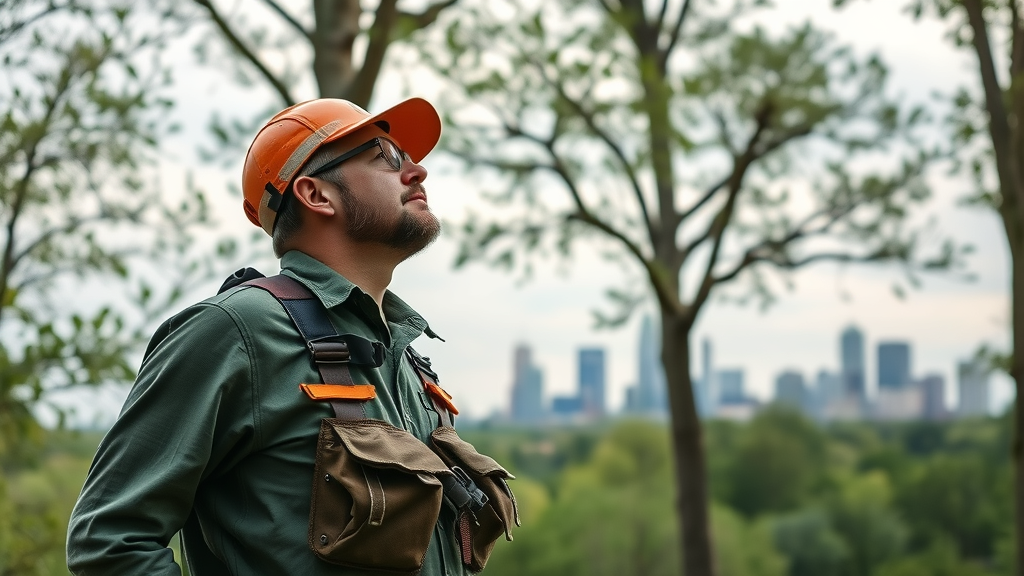


experienced Kansas City arborist observing tall tree canopy with skyline backdrop

"Selecting region-appropriate tree species is one of the best preventative steps homeowners can take." — Certified Tree Care Professional

Top Recommendations and Resources for Kansas City Tree Pest Management

  • Key resources for homeowners:

    • University of Missouri Extension: Tree Pest Guides

    • Kansas City Parks & Recreation Urban Forestry Division

    • ISA (International Society of Arboriculture) Midwestern Chapter

Frequently Asked Questions on Kansas City Tree Pest Management

Are city trees treated for pests in Kansas City?

Yes, Kansas City’s urban forestry programs regularly monitor and treat thousands of public trees for pest threats. Priority is given to high-value species and those at risk of rapid decline, such as ash trees threatened by emerald ash borers.

How can I report a severe tree pest problem to city officials?

To report a significant pest issue in public spaces, contact the Kansas City Parks & Recreation Urban Forestry Division directly. For trees on private property impacting neighbors or community safety, reach out to the city’s 311 customer service hotline.

Is tree pest management covered by insurance in Kansas City?

Typically, standard homeowners insurance does not cover pest damage or removal. However, storm-related damage caused by falling limbs or trees may be covered. Review your policy or speak with your insurance provider for specific coverage details relating to tree care.

Protect Your Landscape: Kansas City Tree Pest Management Action Steps
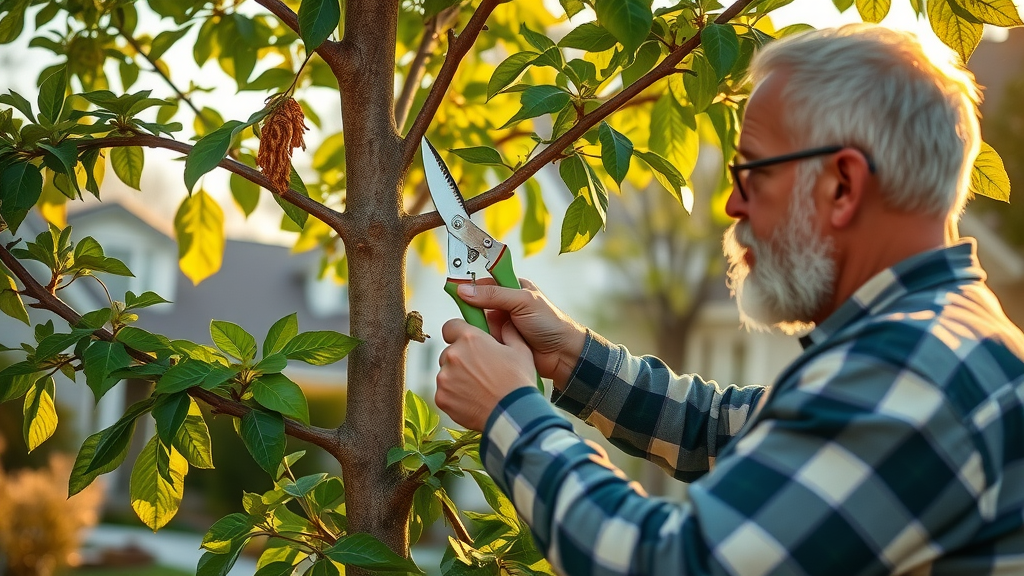


homeowner pruning infected limb on Kansas City tree for pest management
  • Essential steps:

    • Inspect your trees regularly for pest symptoms

    • Prune and dispose of infected limbs safely

    • Contact certified Kansas City tree pest management professionals when in doubt

    • Encourage community members to stay vigilant and share findings

Take action today: Vigilance, proactive care, and partnering with local professionals will protect your trees, property, and community for years to come.

Expert advice from a licensed arborist kansas city

8 Views

Write A Comment

*
*
Please complete the captcha to submit your comment.
Related Posts All Posts

Yellowing leaves on a Pin Oak in Kansas City - A silent killer

Iron Chlorosis in Kansas City Trees:What’s Really Causing It and How to Fix ItYou drive through a neighborhood in Kansas City and notice it right away.Bright yellow leaves where there should be deep green. Veins still holding color, but everything in between fading out. It shows up fast in maples, pin oaks, and ornamental trees, and once you see it, you start noticing it everywhere. Dont guess get a professional tree diagnosis in kansas cityThat’s iron chlorosis. Over 3 decades as an Arborist, I can tell you this is one of the most misdiagnosed and mistreated tree issues in the Kansas City area. And in many cases, the way it’s commonly treated actually makes the problem worse over time.What Is Iron Chlorosis in Trees?Iron chlorosis is a condition where a tree is unable to produce enough chlorophyll due to a lack of usable iron within the leaf.The key word there is usable.In many cases, iron is present in the soil. The tree just can’t access it. That’s why iron chlorosis in trees is not always a deficiency—it’s often an uptake problem tied directly to soil conditions.Over 3 decades as an Arborist, I’ve also seen cases where iron levels were actually in excess based on leaf tissue analysis, yet the tree was still showing classic chlorosis symptoms. That tells you right away the issue isn’t a lack of iron—it’s a breakdown in how the tree is processing and utilizing nutrients.That distinction is where most treatments go wrong.Why Iron Chlorosis Is So Common in Kansas CityKansas City soils create the perfect conditions for iron chlorosis to develop.The heavy clay soils found throughout the area tend to compact easily, hold moisture, and limit oxygen at the root level. On top of that, many soils in the region trend alkaline, which further reduces iron availability.In my experience as an Arborist working across Kansas City, this combination leads to a consistent pattern. Trees have iron in the soil, but the chemistry and biology of the soil prevent the tree from using it effectively.And in some cases, even when iron is already present in adequate—or excessive—levels, trees still show chlorosis because the system itself isn’t functioning properly.Why Traditional Iron Chlorosis Treatments Fail The standard response to iron chlorosis is simple. Apply iron.Liquid treatments, injections, soil drenches—sometimes repeated year after year.I spent years working within that model, and I can tell you it often produces temporary cosmetic improvement at best.Here’s the problem.If the soil conditions aren’t addressed, the tree still can’t properly uptake nutrients. Even more concerning, I’ve seen situations where additional iron was applied to trees that already had elevated iron levels based on leaf tissue analysis.The result isn’t improvement. It’s added stress to an already struggling system.Over time, repeated chemical applications can disrupt soil biology, reduce natural nutrient cycling, and contribute to runoff that affects surrounding landscapes and water systems.This is where the “1-800-CHEMLAWN” approach shows up—treating symptoms instead of understanding the cause.What’s Really Causing Iron ChlorosisIron chlorosis in trees is almost always tied to soil function.Compacted soil reduces oxygen availability. Poor drainage creates stress around the root system. Alkaline conditions limit iron solubility. Declining microbial activity slows nutrient cycling.All of these factors combine to create a situation where iron is present, but unavailable.And in some cases, as I’ve seen in the field, iron may even be present in excess, but still unusable due to poor soil biology and root dysfunction.In other words, the system isn’t working.And when the system isn’t working, adding more inputs doesn’t fix it.When Should You Treat Iron Chlorosis?Timing and severity matter.In my experience as an Arborist, iron chlorosis should be approached based on how far the tree has declined.In early stages, where symptoms are mild, the focus should be on improving soil conditions and restoring function. That’s where long-term correction begins.But when chlorosis progresses into more advanced decline—where yellowing becomes widespread, canopy density drops, and overall tree health begins to deteriorate—that’s when deeper diagnostics become critical.This is where leaf tissue analysis becomes especially valuable.It allows us to determine whether the issue is true deficiency, nutrient imbalance, or a situation where nutrients like iron are already present but not being properly utilized.In more severe cases, this is often the turning point between continued decline and recovery.Why Soil Health Is the Real SolutionIron chlorosis is not a surface-level issue, and it doesn’t have a surface-level fix.The real solution is improving the environment the tree depends on.That means addressing compaction, improving oxygen flow, and supporting microbial life that drives nutrient availability.When soil biology is functioning properly, nutrients—including iron—become available in a form the tree can actually use.That’s when you see real improvement that lasts.What This Looks Like in the FieldI see this across Kansas City every year.A tree begins to yellow. Treatments get applied. The color improves briefly, then fades again the following season.The cycle repeats.When leaf tissue analysis is finally performed, it often shows that iron levels are already sufficient—or even elevated—yet the tree is still showing chlorosis.That’s when it becomes clear the issue isn’t deficiency.Once the focus shifts to soil health and root function, the tree begins to stabilize. Color improves. Growth returns. The canopy fills back in over time.That’s not a quick fix. It’s a correct fix.Why Iron Chlorosis Keeps Coming BackIf iron chlorosis is treated as a deficiency instead of a system failure, it will continue to return.That’s why so many homeowners find themselves treating the same tree year after year with little long-term improvement.Until the soil environment is corrected, the underlying issue remains.And that’s something I’ve seen repeatedly over 3 decades as an Arborist.Understanding the Bigger Picture of Tree Decline Which one wouldyou prefer?Iron chlorosis is often just one piece of a larger issue.If a tree is struggling with nutrient uptake, there are usually deeper problems at play, including compaction, root stress, and biological decline in the soil.If you want to better understand how these issues connect, take a look at our guide on common causes of tree decline in Kansas City, where we break down what leads to long-term stress in urban trees.And if you're looking for a more effective, soil-first approach to tree service Kansas City, working with an Arborist who understands soil biology and plant function will make a measurable difference.Final Thoughts From the FieldOver 3 decades as an Arborist has shown me that iron chlorosis isn’t really about iron.It’s about whether the system supporting the tree is functioning properly.You can keep adding inputs, or you can correct the conditions that allow the tree to thrive.When soil health is restored, trees are able to access nutrients naturally, regulate growth, and maintain long-term stability without repeated intervention.And that approach protects more than just the tree. It protects the soil, the water, and the environment everything depends on.

Why Most Tree Services Misdiagnose Tree Problems 

Why Most Tree Service Kansas City Companies Misdiagnose Tree ProblemsMost tree service Kansas City companies misdiagnose tree problems—and it’s one of the biggest reasons trees continue to decline even after treatment. Homeowners across Kansas City often call a company when a tree starts to look unhealthy, expecting a clear answer and a solution. Instead, what they often receive is a surface-level diagnosis based only on visible symptoms. As an ISA Certified Arborist in Kansas City with over 35 years of experience, I’ve seen firsthand how this approach leads to repeated treatments, wasted money, and ultimately the loss of trees that could have been saved.A tree begins to decline, the leaves discolor, the canopy thins, or branches begin to die back. A typical tree service Kansas City provider may identify insects, disease, or nutrient deficiency and recommend spraying or fertilization. But a year later, the tree looks worse. That’s not bad luck—that’s misdiagnosis.The Real Problem with Tree Diagnosis in Kansas CityThe biggest issue with tree service Kansas City diagnostics is that most companies are trained to treat what they can see, not what is actually causing the problem. They focus on leaf symptoms, insect presence, bark damage, and visible stress indicators. While these observations are important, they are rarely the root cause of decline. Everything is connected. Get a free tree diagnosis in Kansas City from our certified arborists today. In Kansas City, tree health problems are most often tied to soil conditions, root damage, and environmental stress. Heavy clay soils, compaction from construction, poor drainage, and years of chemical applications all contribute to declining tree health. These are not issues that can be identified by looking at the canopy alone. An experienced ISA Certified Arborist Kansas City understands that everything happening above ground is a reflection of what’s happening below ground. Everything is connected. Get a free tree diagnosis from our certified arborists today. Why Tree Service Kansas City Companies Get It WrongThere are several reasons why misdiagnosis is so common in the tree service Kansas City industry.First, speed and volume. Many companies are built around high-volume service models. They move quickly from property to property, offering fast diagnoses and immediate treatment recommendations. This doesn’t allow time for proper evaluation of soil health, root conditions, or site history.Second, outdated training. Traditional arboriculture training has heavily emphasized pest and disease management using chemical treatments. While those tools have their place, they often overshadow the importance of soil biology, root function, and environmental factors.Third, business incentives. It’s easier—and more profitable—to sell a treatment than to explain complex soil-related issues. As a result, many tree service Kansas City providers default to recommending sprays or fertilizers rather than addressing foundational problems. Commonly Misdiagnosed Tree Problems in Kansas CityIn Kansas City landscapes, I’ve seen the same misdiagnosed issues repeat over and over.Yellowing leaves are often labeled as nutrient deficiencies, when in reality, compacted soil is preventing roots from absorbing nutrients. Insect infestations are treated aggressively, even though they are often a symptom of a stressed tree rather than the cause. Fungal issues are blamed for decline, when they are frequently opportunistic organisms attacking already weakened trees.A knowledgeable ISA Certified Arborist in Kansas City recognizes that these symptoms are signals, not causes. Treating them without addressing the underlying issue leads to temporary improvement at best—and long-term decline at worst.If you want a deeper understanding of this, see why trees decline in Kansas City landscapes and how soil conditions drive most problems.What a Proper Tree Diagnosis Should IncludeA true diagnosis from an ISA Certified Arborist Kansas City goes beyond visual inspection. It includes evaluating the entire ecosystem the tree depends on.This means assessing soil compaction, oxygen availability in the root zone, organic matter levels, microbial activity, drainage patterns, and historical site conditions such as construction damage or grading changes. Without this level of analysis, any diagnosis is incomplete.A professional tree service Kansas City provider should be able to explain not just what is happening, but why it is happening—and how the recommended solution addresses the root cause.The Role of Soil in Tree Health in Kansas CitySoil is the foundation of tree health, especially in Kansas City where clay-heavy soils dominate the landscape. These soils are prone to compaction, which reduces oxygen availability and limits root growth. When roots cannot function properly, the entire tree begins to decline.Healthy soil is a living system. It contains microorganisms that break down organic matter, cycle nutrients, and support root development. When that system is disrupted—whether by construction, overwatering, or chemical use—the tree loses its ability to sustain itself.An experienced ISA Certified Arborist Kansas City focuses on restoring this system, not just treating symptoms. That’s the difference between short-term improvement and long-term health.Why Chemical Treatments Often FailMany tree service Kansas City companies rely heavily on chemical treatments because they produce fast, visible results. But these results are often temporary.If a tree is declining due to poor soil conditions, applying fertilizer or pesticides does not fix the underlying issue. In some cases, it can make things worse by disrupting beneficial soil biology.Chemical treatments should be used selectively—not as a default response. A proper diagnosis determines whether they are necessary at all. This is where working with a true ISA Certified Arborist in Kansas City makes a significant difference.A Better Approach to Tree Service in Kansas CityThe most effective tree service Kansas City approach is one that looks at the entire system.This includes soil health, root function, environmental stress, and site history. Instead of reacting to symptoms, the goal is to restore balance and support the tree’s natural processes.If you’re evaluating a tree service Kansas City company, ask how they diagnose problems. Do they evaluate soil conditions? Do they explain root health? Or do they simply recommend treatments based on what they see?Those answers will tell you everything you need to know.You can also explore organic tree care Kansas City methods that focus on soil biology and long-term sustainability.How to Avoid Tree MisdiagnosisHomeowners in Kansas City can avoid costly mistakes by asking the right questions.Ask what is causing the problem—not just what it looks like. Ask how soil conditions are affecting the tree. Ask whether the recommended treatment will improve long-term health or just provide a temporary fix.A qualified ISA Certified Arborist Kansas City should have clear, confident answers to these questions. If they don’t, it may be worth getting a second opinion.Final Thoughts from an ISA Certified Arborist Kansas CityMisdiagnosis is one of the leading reasons trees continue to decline despite treatment. When tree service Kansas City companies focus only on visible symptoms, they miss the underlying issues that actually determine tree health.After more than 35 years as an ISA Certified Arborist, I’ve learned that the best results come from understanding the full system—soil, roots, environment, and biology working together.If you’re looking for a tree service Kansas City provider that focuses on real diagnosis and long-term solutions, start by working with someone who looks below the surface—not just at what’s visible.

Organic Tree Care vs. Chemical Tree Care: What Homeowners Should Know

The Fundamental Difference: Treating Symptoms vs. Building HealthAs an Arborist in Kansas , I’ve watched homeowners unknowingly fall into the same trap over and over again—treating tree problems like temporary inconveniences instead of biological failures. Chemical tree care is built around symptom control: kill the bug, suppress the disease, improve appearance fast. And to be fair, it often works in the short term. But it doesn’t address why the tree became vulnerable in the first place. Organic tree care takes a completely different approach by focusing on the underlying system that supports the tree—specifically the soil, root environment, and biological activity. Instead of asking “How do we fix what we see?” it asks “Why did this happen to begin with?” That shift in thinking is the difference between temporary improvement and long-term tree health, and it’s something most homeowners aren’t hearing when they search for an arborist Kansas City or even just “arborist near me.”What Chemical Tree Care Actually DoesLet’s be honest about how chemical tree care works, because there’s a reason it’s so widely used in the tree care industry. Most chemical-based programs, including typical tree spraying Kansas City services, rely on insecticides, fungicides, and synthetic fertilizers designed to produce quick, visible results. Leaves green up fast, insects disappear, and disease symptoms fade—at least temporarily. But beneath the surface, these treatments often disrupt the very system that keeps trees resilient, reducing beneficial microbial activity in the soil and creating a dependence on repeated applications to maintain results. In my experience as an ISA Certified Arborist, I’ve seen trees that were on long-term chemical programs become weaker over time, not stronger, because the underlying biology that supports nutrient uptake and natural defense systems was never addressed. What you end up with is not a healthy tree, but a managed one—one that requires constant input just to maintain a baseline level of appearance. The Organic Tree Care ApproachOrganic tree care flips that entire model by focusing on the root system and the living soil environment rather than the visible symptoms in the canopy. Especially here in Kansas City, where we deal with heavy clay soils from areas like Overland Park to Prairie Village and throughout Johnson County KS, the real issue is often poor soil structure, compaction, and lack of biological activity. Organic and natural tree care Kansas City strategies aim to improve those conditions by enhancing soil biology, increasing oxygen availability, and restoring natural nutrient cycling processes. When those systems are functioning properly, trees become far more capable of defending themselves against insects and disease without constant intervention. In my 35+ years as an Arborist, I’ve seen trees that were once in decline recover simply because the soil environment was corrected, which tells you everything you need to know about where the real problem usually starts.Why Trees Become Vulnerable in the First PlaceOne of the most common misconceptions I see as an ISA Certified Arborist is that insects and diseases are the primary problem, when in reality they are usually secondary symptoms of stress. Trees typically become vulnerable due to environmental and soil-related issues such as compaction from construction, poor drainage, root damage, nutrient imbalances, or long-term exposure to urban stress conditions. By the time pests show up, the tree is already compromised internally. Chemical treatments may remove the visible issue, but they do nothing to restore the tree’s natural defense systems. That’s why the same problems tend to reappear year after year. When you understand that tree decline starts below ground, it completely changes how you approach treatment, shifting the focus from reaction to prevention.The Cycle of Chemical DependenceI see this cycle play out all the time in Kansas City neighborhoods like Brookside, Waldo, and Mission Hills, where homeowners initially call for tree spraying services Kansas City after noticing thinning canopies or insect activity. The treatment works—at least temporarily—and the tree looks better, which reinforces the idea that the solution was effective. But the following season, the same issue returns, often more aggressively, because the underlying stress was never resolved. This leads to more frequent applications, higher costs, and increasing dependency on chemical inputs just to maintain the tree’s appearance. Over time, the tree becomes less resilient, not more. At that point, you’re not improving tree health—you’re managing decline. And if the goal is just quick, cosmetic results, homeowners might as well call 1-800-CHEMLAWN, because that’s essentially the level of care being applied. Long-Term Tree Health Actually Looks LikeHealthy trees don’t require constant intervention, and that’s something I’ve consistently observed as an ISA certified arborist Kansas City working across a wide range of properties. When soil conditions are right and biological systems are functioning properly, trees can naturally resist most pests, recover from environmental stress, and maintain stable growth without repeated treatments. I’ve worked with homeowners who transitioned to organic tree care Kansas City approaches and saw a dramatic reduction in the need for spraying over time. That’s because the tree was no longer operating in a weakened state. Instead, it was supported by a healthy root system and active soil biology, which allowed it to function the way it was designed to.Soil: The Most Overlooked Factor in Tree CareIf there’s one thing I emphasize more than anything else, it’s that tree health starts in the soil, not in the canopy. Trees grow from the bottom up, and in regions like Kansas City, Olathe, and Shawnee, our dense clay soils create significant challenges for root development, oxygen availability, and nutrient absorption. When soil becomes compacted and biologically inactive, trees struggle to sustain themselves regardless of how many treatments are applied above ground. Organic approaches to tree health care Kansas City focus on restoring soil structure, increasing microbial diversity, and reestablishing natural nutrient cycles. Once those systems are functioning again, the tree can begin to recover in a way that is sustainable and long-lasting, rather than dependent on repeated external inputs. The Industry Reality Most People Don’t HearThe truth is, much of the modern tree care industry is structured around repeat chemical applications because they are easy to sell, easy to apply, and produce immediate visual results. But immediate results don’t always equate to long-term health. In fact, I’ve seen more long-term damage caused by over-reliance on chemical treatments than most homeowners would expect. That realization is what led me to change my entire approach to tree care years ago. After decades in this industry, I only trust one supplier for the materials I use on my clients’ trees, and that decision came from years of observing what actually improves tree health versus what simply masks problems.When Chemical Treatments Might Be NecessaryNow, with all of that said, there are situations where chemical intervention may be appropriate, particularly in cases of severe infestation or advanced disease where immediate action is required to prevent tree loss. However, those situations should be the exception, not the foundation of a tree care program. Chemical treatments, when used, should be applied strategically and in conjunction with efforts to improve soil health and restore the tree’s natural resilience. Relying solely on chemical solutions without addressing underlying conditions is not a sustainable approach and often leads to recurring problems.Organic Tree Care and Property ValueHomeowners in areas like Leawood, Prairie Village, and throughout Kansas City often don’t realize how much their property value is tied to the health of their trees. Mature trees provide shade, improve curb appeal, and contribute significantly to the overall character of a property. When those trees begin to decline, the impact goes beyond aesthetics—it affects energy efficiency, landscape value, and long-term property investment. Investing in tree health restoration Kansas City through organic care helps protect those assets by ensuring trees remain strong, stable, and visually appealing over time.The Cost Comparison: Short-Term vs. Long-Term ThinkingAt first glance, chemical treatments may appear more affordable because they offer immediate results at a lower upfront cost. However, when you factor in the need for repeated applications year after year, the long-term expense often exceeds the cost of addressing soil health properly from the beginning. Organic tree care is built around fewer interventions, stronger trees, and reduced long-term maintenance, making it a more sustainable and cost-effective approach over time. It requires a shift in mindset from quick fixes to long-term investment, but the results speak for themselves.Choosing the Right ArboristIf you’re searching for the best arborist in Kansas City, the key is to find someone who looks beyond surface-level symptoms and evaluates the full health of the tree, including soil conditions and root environment. A true tree health specialist Kansas City will ask why the tree is struggling, not just recommend spraying as a default solution. They will offer organic or soil-based strategies and focus on long-term improvement rather than short-term appearance. If you’re exploring options, it’s worth taking the time to understand how different providers approach tree care, especially when considering comprehensive tree service Kansas City solutions that prioritize lasting results.A Real-World Perspective from the FieldIn my 35+ years as an Arborist working throughout Kansas City, from older neighborhoods in Midtown to newer developments in Johnson County, I’ve consistently seen the same pattern: trees treated with chemical programs tend to show temporary improvement followed by recurring issues, while trees supported through organic, soil-focused care develop long-term resilience and stability. That pattern isn’t theoretical—it’s based on decades of real-world observation across thousands of trees in varying conditions.Why This Matters More Than EverUrban environments are becoming increasingly challenging for trees due to construction, soil compaction, and environmental stress, which makes it more important than ever to support their internal systems rather than relying on external treatments. Chemical solutions do not build resilience—they manage symptoms. Healthy soil, on the other hand, strengthens the tree from within, allowing it to adapt and survive in difficult conditions.Final Thoughts: What Homeowners Need to UnderstandTree care is not about controlling problems after they appear—it’s about preventing them from developing in the first place. Healthy trees begin with healthy soil, and long-term tree health depends on supporting soil biology, natural nutrient cycling, and overall ecosystem balance rather than repeated chemical treatments. Homeowners who focus only on quick results often sacrifice the long-term vitality of their trees, and again, if the goal is just fast improvement, there’s always 1-800-CHEMLAWN. But if the goal is to grow strong, resilient trees that thrive for decades, organic, soil-focused care is the only approach that consistently delivers those results Paul Weaver ArboristISA Certified Arborist MW-4888A

Terms of Service

Privacy Policy

Core Modal Title

Sorry, no results found

You Might Find These Articles Interesting

T
Please Check Your Email
We Will Be Following Up Shortly
*
*
*