

Organic Tree Care Kansas City, Tree, Lawn, and Water System Experts
Tree Diagnosis in Kansas City By ISA Certified Arborist Paul Weaver
Paul Weaver is an ISA Certified Arborist in Kansas City specializing in organic tree care and natural, chemical-free solutions. Instead of masking problems with traditional treatments, we focus on restoring soil biology and strengthening trees from the ground up.
Click For Expert Tree Diagnosis
If your tree looks stressed, declining, or just off—don’t wait.
Get Expert Tree Diagnosis in Kansas City Today
Call now or request service above.
Spots fill quickly during peak season.









“Spraying Trees With the Nutrients They Need to Survive
Not Covering Up Symptoms With Chemicals”

A Message from Paul Weaver
ISA Certified Arborist with 35 Years of Experience
Hi, I’m Paul Weaver, an ISA Certified Arborist with over 35 years of hands-on experience diagnosing trees in Kansas City.
Over the course of my career as an Arborist Kansas City homeowners rely on, I’ve seen firsthand how traditional tree care has leaned heavily on chemical treatments that often mask problems rather than solve them. In recent years, I made a deliberate shift in my approach to tree health care Kansas City properties need—because trees, like people, respond best when we focus on long-term wellness instead of quick fixes.
In my 35+ years experience and an ISA Certified Arborist, one thing has become clear: trees are complex living systems that depend on healthy soil, balanced biology, and proper nutrition. As an ISA Certified Arborist Kansas City residents trust, I focus on supporting those systems naturally rather than relying on conventional tree spraying Kansas City services that prioritize short-term results.
My approach to organic tree care Kansas City landscapes centers on strengthening trees from the ground up—supporting soil health and encouraging natural recovery. While there can be a short adjustment period, especially in landscapes that have relied on chemical treatments or traditional tree spraying services Kansas City companies often use, the long-term results are worth it: healthier trees, a more balanced ecosystem, and a better-looking property overall.
After decades in this industry, I only trust one supplier for the materials I use on my clients’ trees.
Today, my mission is simple—provide natural tree care Kansas City homeowners can feel good about while helping trees thrive without unnecessary chemical treatments. If you’ve been searching for an Arborist near me who takes a more thoughtful, long-term approach, I’d be glad to take a look at your trees and walk you through a better plan for your landscape.
EVERYTHING IS CONNECTED
I look forward to working with you.
Paul Weaver Arborist
ISA Certified Arborist MW-4888A
Most homeowners searching for tree service Kansas City are looking for a quick fix. A tree doesn’t look right, something is off, and the goal becomes fixing what you can see.
But after more than 35 years as an ISA Certified Arborist, I can tell you this, the visible problem is rarely the real problem.
Most tree care Kansas City services are built around treating symptoms. Leaves discolor, trees get sprayed. Pests show up, more treatments are applied. Lawns struggle, more inputs are added.
For a short time, things may look better.
But the problem comes back.
Everything Is Connected
What most people don’t realize is how connected everything really is.
Soil, turf, trees, water, food, people.
What gets applied to your lawn does not stay there. It moves through the soil. It moves through water. It moves into the systems that support your trees and your environment.
Over time, repeated chemical use can:
- Disrupt soil biology
- Reduce nutrient availability
- Weaken root systems
- Create dependency on continued treatments
Why Traditional Tree Service Kansas City Approaches Fall Short
Most tree spraying services Kansas City companies focus on what is visible above ground.
But trees do not live above ground.
They depend on:
- Soil biology
- Root health
- Water quality
- Natural nutrient cycling
A Different Approach to Tree Health Care Kansas City
This is where our approach is different.
Instead of forcing short term results, we focus on restoring the system that supports your entire landscape.
That means:
- Improving soil biology
- Supporting root systems
- Using water that is conditioned before application
- Strengthening natural plant function
From Reaction to Restoration
The goal is not to treat problems over and over.
The goal is to create a system where problems stop developing in the first place.
When soil, water, and biology are working together:
- Trees become more stable
- Lawns become more resilient
- The need for repeated treatments decreases
Start with the Right Diagnosis
If your trees or lawn are not improving, the issue is usually not the treatment, it is the system.
That is why everything we do starts with understanding what is actually happening beneath the surface.
You can learn more about that process here:
👉 tree diagnosis Kansas City
Our Commitment to Your Urban Forest's Health
At Paul Weaver Arborist, our passion is more than just trees—it's about enhancing your environment. Our experience in arborist tree care extends to understanding the intricate needs of each tree, ensuring their optimal health and longevity.
Our team of certified professionals employs advanced arborist tools and techniques, prioritizing arborist safety and environmentally conscious practices. We promise a personalized, five-star experience, solidifying our dedication to your landscape's excellence.

Click to Call Now
Struggling with Your Trees? We Understand.
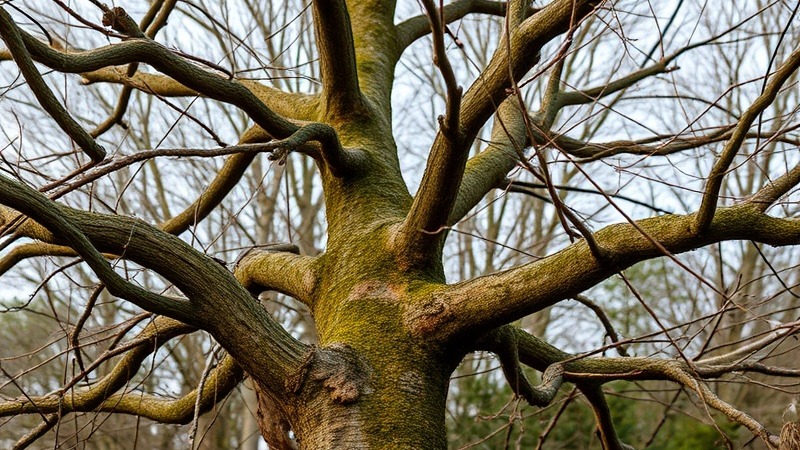
Many homeowners face challenges with their arborist landscape, wondering how to maintain their trees' vibrant health. Whether it's storm damage or slow growth, these issues can feel overwhelming. We're here to empathize and help you navigate these tree care challenges with ease.
Answer
A frequently inquiry concerns the probability of tree mortality despite treatment implementation.
As a tree health experts, my response to this question is multifaceted and contingent upon several variables:
Factors Affecting Treatment Efficacy
Treatment Methodology: The chosen application technique significantly influences the outcome. Chemical Composition: The specific formulation of the pesticide plays a crucial role.
Application Rate: The dosage and concentration of the active ingredient are critical factors. Timing of Interventions: The seasonal timing of treatments can impact their effectiveness. Our rate is the rate for any tree. The majority of our competitors use products that have 5 different rate categories. Find out which one your are using and get a quote for the high rate for comparison. As your tree health experts, our primary objective is to ensure the highest possible efficacy of our tree care services and treatments.
The potential scenario of a tree succumbing to Emerald Ash Borer (Agrilus planipennis) infestation despite biennial treatments over a six-year period would be both professionally and economically unsatisfactory.
Treatment Protocol
Our approach utilizes a state-of-the-art, minimally invasive injection system. This method is selected based on its superior efficacy and reduced potential for tree damage compared to alternative techniques, reinforcing our role as your tree health experts.
Product Labeling and Recommendations
The pesticide labels for Ash tree treatments typically include caveats regarding tree health status and environmental factors that may influence treatment effectiveness.
Most products indicate efficacy "up to two years." However, a more detailed examination of the label reveals the following guidelines:
Assess initial tree health at application.
Re-evaluate treated trees annually.
For high-risk or high-value trees, reassess annually for potential retreatment.
Risk Assessment and Treatment Frequency
Given these recommendations, it is evident that extending treatment intervals beyond one year may increase the risk of Emerald Ash Borer damage.
Considering our location in a high pest pressure area, and the inherent value of any tree selected for treatment, annual interventions are strongly advised.
As your tree health experts, we encourage you to weigh the potential savings from less frequent treatments against the increased risk to the tree's health and your investment.
Our recommendation, based on scientific evidence and practical experience, is to prioritize the tree's long-term health and vitality through annual treatments.
By doing so, you can ensure that your trees receive the best possible care under the guidance of dedicated tree health experts.
Paul Weaver Certified Arborist
There Are No Blog Posts To Show In The RSS Link You've Provided,
Please Try A Different Blog Posts RSS Link

Secretly Killing Trees Paul Weaver, Certified Arborist in Kansas City, has dedicated the past 34 years of his life to one mission: saving trees. Through countless Annual Tree Health Assessments in Kansas City, he has not only witnessed the beauty and resilience of urban forests, but also the devastating effects of misguided attempts to destroy them. From improper pruning and neglect to outright acts of sabotage, Paul has seen it all. As someone deeply committed to the health and longevity of our urban canopy, I, Paul Weaver, ISA Certified Arborist, am alarmed by a disturbing trend I've uncovered in recent years: a proliferation of online videos showing people how to secretly kill trees. This isn’t just about negligence—it’s about intentional, concealed destruction of valuable living infrastructure. In my role offering Expert Advice from Licensed Arborists in Kansas City, I believe it is crucial that both professionals and homeowners understand what we’re up against. While many people assume everyone loves trees, the reality is more complicated. Urban trees, despite their role in reducing heat, managing stormwater, and purifying air, are also seen by some as nuisances. People complain about leaf litter, smelly flowers, and roots disturbing sidewalks. In Kansas City and beyond, these perceived "ecosystem disservices" have led people to take matters into their own hands—sometimes legally, often not. What concerns me most, as someone who has spent over three decades providing Tree Diagnosis in Kansas City, is the rise of covert methods of tree killing. These are often disguised to avoid detection by tree ordinances or nosy neighbors. The most common tactics include: - Herbicide Injections: Particularly glyphosate, triclopyr, and picloram. Often applied through a technique called "hack and squirt," where incisions are made in the bark and chemicals injected. In Annual Tree Health Assessments in Kansas City, I look for signs such as unnatural yellowing, sudden leaf drop, or visible cuts around the trunk. - Salt Applications: Salt disrupts root function and water uptake. People dump it near the root zone to slowly poison the tree. During Tree Diagnosis in Kansas City, I often test for high soil salinity when unexplained decline is observed. - Copper Nails and Other Metals: A long-held myth with limited scientific backing, yet still used. The physical evidence—nails or unusual wounds on the trunk—is usually apparent to any Certified Arborist. - Girdling: The deliberate removal of bark around the tree circumference. This method disrupts nutrient flow and is fatal if not caught early. In Tree Spraying consultations in Kansas City, I make sure to educate homeowners about how to detect and prevent this. - Fuel and Oil Drenching: Crude but effective, these are poured into soil to choke roots. The petroleum residues are toxic and leave long-term damage to both the tree and soil. In cases of suspected sabotage, we may perform soil tests as part of Tree Fertilization reviews in Kansas City. These practices are being popularized and shared freely on platforms like YouTube, without any warnings of the legal consequences. I've even consulted on several court cases here in Kansas City where these tactics were at play. Trees valued at tens of thousands of dollars were destroyed in secret—sometimes to open a view, remove shade over a pool, or avoid leaf cleanup. Each year, through our Annual Tree Health Assessments in Kansas City, I identify trees that are not dying from natural causes but from intentional harm. As arborists, we must remain vigilant. Detection requires a trained eye and the right diagnostic tools. Many methods leave tell-tale signs, from cut bark to unnatural discoloration or unusual soil composition. Our urban trees are more than decorative elements. They are essential infrastructure—cooling our streets, filtering pollutants, preventing erosion, and providing habitat. That’s why I am so passionate about protecting them through responsible Tree Spraying and Tree Fertilization services in Kansas City. I urge all property owners to schedule Annual Tree Health Assessments in Kansas City. These proactive checkups help detect not just disease and pest issues, but also hidden attempts at tree sabotage. Furthermore, if you suspect foul play, seek Expert Advice from Licensed Arborists in Kansas City. Don't wait until it's too late. To my fellow certified arborists, I say this: we must become both healers and detectives. Whether we’re providing Tree Diagnosis in Kansas City, or treating a specimen with Tree Spraying or Tree Fertilization, we need to understand the forensic side of arboriculture. Document the damage. Collect samples. Support homeowners through the legal process if needed. Consider this: in the past five years alone, I have documented over 3 cases in Kansas City that appeared to be deliberate attempts to kill trees. In some neighborhoods, I noticed a pattern: the same species affected, the same types of wounds, and the same herbicidal symptoms. These trends must be cataloged, analyzed, and shared across the arboricultural community. Sometimes the signs are subtle—a seemingly innocent flush cut too close to the root flare, or a slight ring of missing bark at ground level. In many Annual Tree Health Assessments in Kansas City, we find these early and intervene, sometimes saving the tree or, at minimum, providing conclusive Tree Diagnosis. As a Certified Arborist deeply invested in Tree Fertilization, Kansas City residents often call on me when their tree suddenly starts to decline. What they might think is a nutrient deficiency often turns out to be sabotage. I’ve seen slow-release fertilizers misused to overload the soil with nitrogen, or synthetic herbicides disguised as innocuous lawn treatments. Education is critical. That’s why I advocate not just for treatment, but for awareness. My goal isn’t just to heal trees—it’s to empower people to see the signs, to ask questions, and to value their trees as part of their community's health. In Kansas City, where we are blessed with diverse species from red maples to bur oaks, every tree tells a story. I remember an ancient sycamore near Midtown that was nearly lost to poisoning. Through a combination of Tree Spraying and a careful soil remediation program, we saved it. These victories make the effort worthwhile. But the threats are constant. That’s why I encourage every property owner to get an Annual Tree Health Assessment in Kansas City. Prevention is not only more effective but more economical than restoration. There is no substitute for Expert Advice from Licensed Arborists in Kansas City. While DIY culture thrives, diagnosing and treating tree decline—especially when foul play is suspected—requires the training, tools, and experience only certified professional arborists can offer. The arboriculture field is evolving. We're not just climbing trees or trimming limbs; we are increasingly asked to act as forensic specialists, investigators, and environmental stewards. This evolution requires continuing education, collaboration, and unwavering vigilance. As we look toward the future, I propose a few actions: 1. Public Education Campaigns: Promote awareness of tree vandalism, especially through community workshops and online resources.2. Citywide Reporting System: Encourage residents to report suspected tree sabotage for professional inspection.3. Legal Advocacy: Work with local lawmakers to strengthen ordinances that protect trees, ensuring severe penalties for intentional harm.4. Diagnostic Training for Arborists: Continue to develop specialized training focused on forensic arboriculture and chemical detection.5. Neighborhood Tree Watch Programs: Engage communities to monitor vulnerable trees, especially those near property lines or controversial development zones. I, Paul Weaver, ISA Certified Arborist, believe that saving trees is a sacred calling. Whether it's through Tree Spraying in Kansas City to combat pests, Tree Fertilization to boost soil health, or an urgent Tree Diagnosis in Kansas City to identify sabotage, our actions ripple outward. To the people of Kansas City: your trees are your legacy. Their shade, their oxygen, their beauty—all of it is worth defending. I’ve spent 34 years fighting for them, and I won’t stop now. When you see a tree struggling, don’t walk by. Reach out. Ask for Expert Advice from Licensed Arborists in Kansas City. Schedule that Annual Tree Health Assessment. Because every tree saved strengthens the roots of our community. And that’s a legacy worth cultivating.
Read More0 Views
Write a Comment
2
Read More.jpg)
A Hopeful Future for Urban Forestry Education
A Hopeful Future for Urban Forestry Education By Paul Weaver, Certified Arborist, Kansas City As someone who has dedicated decades to tree care in the heart of Kansas City, watching the field of urban forestry transform into a respected, multifaceted discipline fills me with a deep sense of pride and hope. When I started in this industry over 35 years ago, the term "urban forestry" was barely whispered in academic circles. Today, it's blossoming across international universities, capturing the imagination of students, educators, and policymakers alike. We’re seeing something special happen. From the classrooms of K-State to the online cohorts at the University of British Columbia, urban forestry education has begun to reflect the complexity—and the promise—of the work we do every day in our cities. Whether it’s Tree Spraying in Kansas City, Tree Diagnosis Kansas City, or providing Expert Advice from a Licensed Arborist Kansas City, our field is finally being acknowledged as a cornerstone of urban resilience, climate adaptation, and public health. This isn’t just good news for arborists—it’s great news for everyone who believes in sustainable, livable cities. **Grounded in Field Experience, Growing Through Education** In Kansas City, our commitment to tree care is deeply rooted in practice. Fertilization Kansas City, pest management, and Annual Tree Health Assessments Kansas City—these are more than checkboxes. They’re part of an ongoing conversation between arborist and tree, informed by years of experience in our region's unique climate and soil conditions. That’s why I’m so encouraged to see urban forestry programs start to embrace both field knowledge and formal education. There is no replacement for putting your hands in the soil and your eyes on the canopy. Certification may open the door, but field knowledge keeps you inside the profession. The synergy between certification and real-world experience should be the cornerstone of every urban forestry curriculum. We must train professionals who not only know the ISA standards but can apply them in heatwaves, compacted soils, storm-damaged sites, and construction zones. In my practice, I’ve seen firsthand how education meets reality. You might study soil pH in a classroom, but until you’ve tried to plant a sapling in our heavy Kansas City clay after a summer drought, you don’t really understand root development. Our trees aren’t abstract concepts. They’re living systems responding to shifting climate conditions, compacted soils, and urban stressors. That hands-on, place-based understanding must remain central to urban forestry education. Fortunately, today’s programs are starting to reflect that. When I walk through a tree inventory with a young arborist or evaluate an Ash Borer outbreak in a historic neighborhood, I see how formal learning and real-world experience intersect. It’s this blend—of research, practical action, and certified competence—that defines our profession’s future. **Field Experience Is Still King** I can’t stress this enough: there is no substitute for working with trees. Certification validates your knowledge—but it’s field experience that tests it, sharpens it, and makes it second nature. I applaud the programs that include field components, climbing labs, inventory work, and community-based projects. These experiences do more than build muscle memory—they shape intuition. They teach students to read the subtle signs of a stressed elm or recognize the nuanced shift in bark color that might hint at a soil imbalance. In my early years, I learned from mentors whose knowledge couldn’t be found in books. They passed down techniques, but more importantly, they instilled a sense of respect and attentiveness. That’s something I aim to do in my own mentorships, whether it’s guiding a new arborist through Fertilization Kansas City protocols, performing Tree Diagnosis Kansas City evaluations, or troubleshooting a problem with a young technician during Annual Tree Health Assessments Kansas City. Pairing these experiences with ISA Certification or similar credentials creates a well-rounded, adaptable professional. One without the other leaves gaps in preparedness. Our goal should be clear: combine certification with Expert Advice from a Licensed Arborist Kansas City and ensure students become capable, confident, and credible practitioners. It’s encouraging to see universities formally recognizing the value of these experiences. Structured internships, partnerships with municipal foresters, and integration with private sector expertise help prepare students for real jobs—not just tests. If we want resilient cities, we need certified professionals who have already stood in the rain, dug in frozen soil, and identified pests in the wild—not just on a slide deck. **Credentialing and Professional Identity** The development of new credentials like the Urban Forest Professional Credential is an important step forward. It signals to the public and to allied professionals that urban forestry is a legitimate, rigorous discipline. But credentials must be built on a foundation of education and experience. Certification is the skeleton—field experience is the muscle and the heart. That’s why I support the idea of a more unified curriculum—one that outlines core competencies across programs without eliminating regional specificity. In Kansas City, our needs might differ from those in Vancouver or Miami, but the essential principles—tree biology, soil science, ecosystem services—are universal. Let’s ensure all students get those basics, with room to specialize as they advance. And just as importantly, let’s ensure they get their boots dirty while learning them. Real competence means being able to perform Tree Diagnosis Kansas City in real-world settings and deliver Annual Tree Health Assessments Kansas City with clarity and care. Professional identity also comes from mentorship. I’ve seen young arborists go from unsure interns to confident leaders, thanks to guidance and community. That’s something no online course can fully replicate. Our educational institutions should make mentorship a central pillar of urban forestry learning—especially when paired with Expert Advice from a Licensed Arborist Kansas City. Urban forestry is not just a science—it’s a practice. Certification should be seen not as an end, but as a milestone in an ongoing journey that includes field trials, public engagement, and a lot of time under the canopy. When we combine certification with field-tested experience, including Tree Diagnosis Kansas City and Annual Tree Health Assessments Kansas City, we build not just professionals—we build trust in our communities.
Read More0 Views
Write a Comment
2
Read MoreSecretly Killing Trees Paul Weaver, Certified Arborist in Kansas City, has dedicated the past 34 years of his life to one mission: saving trees. Through countless Annual Tree Health Assessments in Kansas City, he has not only witnessed the beauty and resilience of urban forests, but also the devastating effects of misguided attempts to destroy them. From improper pruning and neglect to outright acts of sabotage, Paul has seen it all. As someone deeply committed to the health and longevity of our urban canopy, I, Paul Weaver, ISA Certified Arborist, am alarmed by a disturbing trend I've uncovered in recent years: a proliferation of online videos showing people how to secretly kill trees. This isn’t just about negligence—it’s about intentional, concealed destruction of valuable living infrastructure. In my role offering Expert Advice from Licensed Arborists in Kansas City, I believe it is crucial that both professionals and homeowners understand what we’re up against. While many people assume everyone loves trees, the reality is more complicated. Urban trees, despite their role in reducing heat, managing stormwater, and purifying air, are also seen by some as nuisances. People complain about leaf litter, smelly flowers, and roots disturbing sidewalks. In Kansas City and beyond, these perceived "ecosystem disservices" have led people to take matters into their own hands—sometimes legally, often not. What concerns me most, as someone who has spent over three decades providing Tree Diagnosis in Kansas City, is the rise of covert methods of tree killing. These are often disguised to avoid detection by tree ordinances or nosy neighbors. The most common tactics include: - Herbicide Injections: Particularly glyphosate, triclopyr, and picloram. Often applied through a technique called "hack and squirt," where incisions are made in the bark and chemicals injected. In Annual Tree Health Assessments in Kansas City, I look for signs such as unnatural yellowing, sudden leaf drop, or visible cuts around the trunk. - Salt Applications: Salt disrupts root function and water uptake. People dump it near the root zone to slowly poison the tree. During Tree Diagnosis in Kansas City, I often test for high soil salinity when unexplained decline is observed. - Copper Nails and Other Metals: A long-held myth with limited scientific backing, yet still used. The physical evidence—nails or unusual wounds on the trunk—is usually apparent to any Certified Arborist. - Girdling: The deliberate removal of bark around the tree circumference. This method disrupts nutrient flow and is fatal if not caught early. In Tree Spraying consultations in Kansas City, I make sure to educate homeowners about how to detect and prevent this. - Fuel and Oil Drenching: Crude but effective, these are poured into soil to choke roots. The petroleum residues are toxic and leave long-term damage to both the tree and soil. In cases of suspected sabotage, we may perform soil tests as part of Tree Fertilization reviews in Kansas City. These practices are being popularized and shared freely on platforms like YouTube, without any warnings of the legal consequences. I've even consulted on several court cases here in Kansas City where these tactics were at play. Trees valued at tens of thousands of dollars were destroyed in secret—sometimes to open a view, remove shade over a pool, or avoid leaf cleanup. Each year, through our Annual Tree Health Assessments in Kansas City, I identify trees that are not dying from natural causes but from intentional harm. As arborists, we must remain vigilant. Detection requires a trained eye and the right diagnostic tools. Many methods leave tell-tale signs, from cut bark to unnatural discoloration or unusual soil composition. Our urban trees are more than decorative elements. They are essential infrastructure—cooling our streets, filtering pollutants, preventing erosion, and providing habitat. That’s why I am so passionate about protecting them through responsible Tree Spraying and Tree Fertilization services in Kansas City. I urge all property owners to schedule Annual Tree Health Assessments in Kansas City. These proactive checkups help detect not just disease and pest issues, but also hidden attempts at tree sabotage. Furthermore, if you suspect foul play, seek Expert Advice from Licensed Arborists in Kansas City. Don't wait until it's too late. To my fellow certified arborists, I say this: we must become both healers and detectives. Whether we’re providing Tree Diagnosis in Kansas City, or treating a specimen with Tree Spraying or Tree Fertilization, we need to understand the forensic side of arboriculture. Document the damage. Collect samples. Support homeowners through the legal process if needed. Consider this: in the past five years alone, I have documented over 3 cases in Kansas City that appeared to be deliberate attempts to kill trees. In some neighborhoods, I noticed a pattern: the same species affected, the same types of wounds, and the same herbicidal symptoms. These trends must be cataloged, analyzed, and shared across the arboricultural community. Sometimes the signs are subtle—a seemingly innocent flush cut too close to the root flare, or a slight ring of missing bark at ground level. In many Annual Tree Health Assessments in Kansas City, we find these early and intervene, sometimes saving the tree or, at minimum, providing conclusive Tree Diagnosis. As a Certified Arborist deeply invested in Tree Fertilization, Kansas City residents often call on me when their tree suddenly starts to decline. What they might think is a nutrient deficiency often turns out to be sabotage. I’ve seen slow-release fertilizers misused to overload the soil with nitrogen, or synthetic herbicides disguised as innocuous lawn treatments. Education is critical. That’s why I advocate not just for treatment, but for awareness. My goal isn’t just to heal trees—it’s to empower people to see the signs, to ask questions, and to value their trees as part of their community's health. In Kansas City, where we are blessed with diverse species from red maples to bur oaks, every tree tells a story. I remember an ancient sycamore near Midtown that was nearly lost to poisoning. Through a combination of Tree Spraying and a careful soil remediation program, we saved it. These victories make the effort worthwhile. But the threats are constant. That’s why I encourage every property owner to get an Annual Tree Health Assessment in Kansas City. Prevention is not only more effective but more economical than restoration. There is no substitute for Expert Advice from Licensed Arborists in Kansas City. While DIY culture thrives, diagnosing and treating tree decline—especially when foul play is suspected—requires the training, tools, and experience only certified professional arborists can offer. The arboriculture field is evolving. We're not just climbing trees or trimming limbs; we are increasingly asked to act as forensic specialists, investigators, and environmental stewards. This evolution requires continuing education, collaboration, and unwavering vigilance. As we look toward the future, I propose a few actions: 1. Public Education Campaigns: Promote awareness of tree vandalism, especially through community workshops and online resources.2. Citywide Reporting System: Encourage residents to report suspected tree sabotage for professional inspection.3. Legal Advocacy: Work with local lawmakers to strengthen ordinances that protect trees, ensuring severe penalties for intentional harm.4. Diagnostic Training for Arborists: Continue to develop specialized training focused on forensic arboriculture and chemical detection.5. Neighborhood Tree Watch Programs: Engage communities to monitor vulnerable trees, especially those near property lines or controversial development zones. I, Paul Weaver, ISA Certified Arborist, believe that saving trees is a sacred calling. Whether it's through Tree Spraying in Kansas City to combat pests, Tree Fertilization to boost soil health, or an urgent Tree Diagnosis in Kansas City to identify sabotage, our actions ripple outward. To the people of Kansas City: your trees are your legacy. Their shade, their oxygen, their beauty—all of it is worth defending. I’ve spent 34 years fighting for them, and I won’t stop now. When you see a tree struggling, don’t walk by. Reach out. Ask for Expert Advice from Licensed Arborists in Kansas City. Schedule that Annual Tree Health Assessment. Because every tree saved strengthens the roots of our community. And that’s a legacy worth cultivating.
Read More0 Views
Write a Comment
2
Read MoreSecretly Killing Trees Paul Weaver, Certified Arborist in Kansas City, has dedicated the past 34 years of his life to one mission: saving trees. Through countless Annual Tree Health Assessments in Kansas City, he has not only witnessed the beauty and resilience of urban forests, but also the devastating effects of misguided attempts to destroy them. From improper pruning and neglect to outright acts of sabotage, Paul has seen it all. As someone deeply committed to the health and longevity of our urban canopy, I, Paul Weaver, ISA Certified Arborist, am alarmed by a disturbing trend I've uncovered in recent years: a proliferation of online videos showing people how to secretly kill trees. This isn’t just about negligence—it’s about intentional, concealed destruction of valuable living infrastructure. In my role offering Expert Advice from Licensed Arborists in Kansas City, I believe it is crucial that both professionals and homeowners understand what we’re up against. While many people assume everyone loves trees, the reality is more complicated. Urban trees, despite their role in reducing heat, managing stormwater, and purifying air, are also seen by some as nuisances. People complain about leaf litter, smelly flowers, and roots disturbing sidewalks. In Kansas City and beyond, these perceived "ecosystem disservices" have led people to take matters into their own hands—sometimes legally, often not. What concerns me most, as someone who has spent over three decades providing Tree Diagnosis in Kansas City, is the rise of covert methods of tree killing. These are often disguised to avoid detection by tree ordinances or nosy neighbors. The most common tactics include: - Herbicide Injections: Particularly glyphosate, triclopyr, and picloram. Often applied through a technique called "hack and squirt," where incisions are made in the bark and chemicals injected. In Annual Tree Health Assessments in Kansas City, I look for signs such as unnatural yellowing, sudden leaf drop, or visible cuts around the trunk. - Salt Applications: Salt disrupts root function and water uptake. People dump it near the root zone to slowly poison the tree. During Tree Diagnosis in Kansas City, I often test for high soil salinity when unexplained decline is observed. - Copper Nails and Other Metals: A long-held myth with limited scientific backing, yet still used. The physical evidence—nails or unusual wounds on the trunk—is usually apparent to any Certified Arborist. - Girdling: The deliberate removal of bark around the tree circumference. This method disrupts nutrient flow and is fatal if not caught early. In Tree Spraying consultations in Kansas City, I make sure to educate homeowners about how to detect and prevent this. - Fuel and Oil Drenching: Crude but effective, these are poured into soil to choke roots. The petroleum residues are toxic and leave long-term damage to both the tree and soil. In cases of suspected sabotage, we may perform soil tests as part of Tree Fertilization reviews in Kansas City. These practices are being popularized and shared freely on platforms like YouTube, without any warnings of the legal consequences. I've even consulted on several court cases here in Kansas City where these tactics were at play. Trees valued at tens of thousands of dollars were destroyed in secret—sometimes to open a view, remove shade over a pool, or avoid leaf cleanup. Each year, through our Annual Tree Health Assessments in Kansas City, I identify trees that are not dying from natural causes but from intentional harm. As arborists, we must remain vigilant. Detection requires a trained eye and the right diagnostic tools. Many methods leave tell-tale signs, from cut bark to unnatural discoloration or unusual soil composition. Our urban trees are more than decorative elements. They are essential infrastructure—cooling our streets, filtering pollutants, preventing erosion, and providing habitat. That’s why I am so passionate about protecting them through responsible Tree Spraying and Tree Fertilization services in Kansas City. I urge all property owners to schedule Annual Tree Health Assessments in Kansas City. These proactive checkups help detect not just disease and pest issues, but also hidden attempts at tree sabotage. Furthermore, if you suspect foul play, seek Expert Advice from Licensed Arborists in Kansas City. Don't wait until it's too late. To my fellow certified arborists, I say this: we must become both healers and detectives. Whether we’re providing Tree Diagnosis in Kansas City, or treating a specimen with Tree Spraying or Tree Fertilization, we need to understand the forensic side of arboriculture. Document the damage. Collect samples. Support homeowners through the legal process if needed. Consider this: in the past five years alone, I have documented over 3 cases in Kansas City that appeared to be deliberate attempts to kill trees. In some neighborhoods, I noticed a pattern: the same species affected, the same types of wounds, and the same herbicidal symptoms. These trends must be cataloged, analyzed, and shared across the arboricultural community. Sometimes the signs are subtle—a seemingly innocent flush cut too close to the root flare, or a slight ring of missing bark at ground level. In many Annual Tree Health Assessments in Kansas City, we find these early and intervene, sometimes saving the tree or, at minimum, providing conclusive Tree Diagnosis. As a Certified Arborist deeply invested in Tree Fertilization, Kansas City residents often call on me when their tree suddenly starts to decline. What they might think is a nutrient deficiency often turns out to be sabotage. I’ve seen slow-release fertilizers misused to overload the soil with nitrogen, or synthetic herbicides disguised as innocuous lawn treatments. Education is critical. That’s why I advocate not just for treatment, but for awareness. My goal isn’t just to heal trees—it’s to empower people to see the signs, to ask questions, and to value their trees as part of their community's health. In Kansas City, where we are blessed with diverse species from red maples to bur oaks, every tree tells a story. I remember an ancient sycamore near Midtown that was nearly lost to poisoning. Through a combination of Tree Spraying and a careful soil remediation program, we saved it. These victories make the effort worthwhile. But the threats are constant. That’s why I encourage every property owner to get an Annual Tree Health Assessment in Kansas City. Prevention is not only more effective but more economical than restoration. There is no substitute for Expert Advice from Licensed Arborists in Kansas City. While DIY culture thrives, diagnosing and treating tree decline—especially when foul play is suspected—requires the training, tools, and experience only certified professional arborists can offer. The arboriculture field is evolving. We're not just climbing trees or trimming limbs; we are increasingly asked to act as forensic specialists, investigators, and environmental stewards. This evolution requires continuing education, collaboration, and unwavering vigilance. As we look toward the future, I propose a few actions: 1. Public Education Campaigns: Promote awareness of tree vandalism, especially through community workshops and online resources.2. Citywide Reporting System: Encourage residents to report suspected tree sabotage for professional inspection.3. Legal Advocacy: Work with local lawmakers to strengthen ordinances that protect trees, ensuring severe penalties for intentional harm.4. Diagnostic Training for Arborists: Continue to develop specialized training focused on forensic arboriculture and chemical detection.5. Neighborhood Tree Watch Programs: Engage communities to monitor vulnerable trees, especially those near property lines or controversial development zones. I, Paul Weaver, ISA Certified Arborist, believe that saving trees is a sacred calling. Whether it's through Tree Spraying in Kansas City to combat pests, Tree Fertilization to boost soil health, or an urgent Tree Diagnosis in Kansas City to identify sabotage, our actions ripple outward. To the people of Kansas City: your trees are your legacy. Their shade, their oxygen, their beauty—all of it is worth defending. I’ve spent 34 years fighting for them, and I won’t stop now. When you see a tree struggling, don’t walk by. Reach out. Ask for Expert Advice from Licensed Arborists in Kansas City. Schedule that Annual Tree Health Assessment. Because every tree saved strengthens the roots of our community. And that’s a legacy worth cultivating.
Read More0 Views
Write a Comment
2
Read MoreSecretly Killing Trees Paul Weaver, Certified Arborist in Kansas City, has dedicated the past 34 years of his life to one mission: saving trees. Through countless Annual Tree Health Assessments in Kansas City, he has not only witnessed the beauty and resilience of urban forests, but also the devastating effects of misguided attempts to destroy them. From improper pruning and neglect to outright acts of sabotage, Paul has seen it all. As someone deeply committed to the health and longevity of our urban canopy, I, Paul Weaver, ISA Certified Arborist, am alarmed by a disturbing trend I've uncovered in recent years: a proliferation of online videos showing people how to secretly kill trees. This isn’t just about negligence—it’s about intentional, concealed destruction of valuable living infrastructure. In my role offering Expert Advice from Licensed Arborists in Kansas City, I believe it is crucial that both professionals and homeowners understand what we’re up against. While many people assume everyone loves trees, the reality is more complicated. Urban trees, despite their role in reducing heat, managing stormwater, and purifying air, are also seen by some as nuisances. People complain about leaf litter, smelly flowers, and roots disturbing sidewalks. In Kansas City and beyond, these perceived "ecosystem disservices" have led people to take matters into their own hands—sometimes legally, often not. What concerns me most, as someone who has spent over three decades providing Tree Diagnosis in Kansas City, is the rise of covert methods of tree killing. These are often disguised to avoid detection by tree ordinances or nosy neighbors. The most common tactics include: - Herbicide Injections: Particularly glyphosate, triclopyr, and picloram. Often applied through a technique called "hack and squirt," where incisions are made in the bark and chemicals injected. In Annual Tree Health Assessments in Kansas City, I look for signs such as unnatural yellowing, sudden leaf drop, or visible cuts around the trunk. - Salt Applications: Salt disrupts root function and water uptake. People dump it near the root zone to slowly poison the tree. During Tree Diagnosis in Kansas City, I often test for high soil salinity when unexplained decline is observed. - Copper Nails and Other Metals: A long-held myth with limited scientific backing, yet still used. The physical evidence—nails or unusual wounds on the trunk—is usually apparent to any Certified Arborist. - Girdling: The deliberate removal of bark around the tree circumference. This method disrupts nutrient flow and is fatal if not caught early. In Tree Spraying consultations in Kansas City, I make sure to educate homeowners about how to detect and prevent this. - Fuel and Oil Drenching: Crude but effective, these are poured into soil to choke roots. The petroleum residues are toxic and leave long-term damage to both the tree and soil. In cases of suspected sabotage, we may perform soil tests as part of Tree Fertilization reviews in Kansas City. These practices are being popularized and shared freely on platforms like YouTube, without any warnings of the legal consequences. I've even consulted on several court cases here in Kansas City where these tactics were at play. Trees valued at tens of thousands of dollars were destroyed in secret—sometimes to open a view, remove shade over a pool, or avoid leaf cleanup. Each year, through our Annual Tree Health Assessments in Kansas City, I identify trees that are not dying from natural causes but from intentional harm. As arborists, we must remain vigilant. Detection requires a trained eye and the right diagnostic tools. Many methods leave tell-tale signs, from cut bark to unnatural discoloration or unusual soil composition. Our urban trees are more than decorative elements. They are essential infrastructure—cooling our streets, filtering pollutants, preventing erosion, and providing habitat. That’s why I am so passionate about protecting them through responsible Tree Spraying and Tree Fertilization services in Kansas City. I urge all property owners to schedule Annual Tree Health Assessments in Kansas City. These proactive checkups help detect not just disease and pest issues, but also hidden attempts at tree sabotage. Furthermore, if you suspect foul play, seek Expert Advice from Licensed Arborists in Kansas City. Don't wait until it's too late. To my fellow certified arborists, I say this: we must become both healers and detectives. Whether we’re providing Tree Diagnosis in Kansas City, or treating a specimen with Tree Spraying or Tree Fertilization, we need to understand the forensic side of arboriculture. Document the damage. Collect samples. Support homeowners through the legal process if needed. Consider this: in the past five years alone, I have documented over 3 cases in Kansas City that appeared to be deliberate attempts to kill trees. In some neighborhoods, I noticed a pattern: the same species affected, the same types of wounds, and the same herbicidal symptoms. These trends must be cataloged, analyzed, and shared across the arboricultural community. Sometimes the signs are subtle—a seemingly innocent flush cut too close to the root flare, or a slight ring of missing bark at ground level. In many Annual Tree Health Assessments in Kansas City, we find these early and intervene, sometimes saving the tree or, at minimum, providing conclusive Tree Diagnosis. As a Certified Arborist deeply invested in Tree Fertilization, Kansas City residents often call on me when their tree suddenly starts to decline. What they might think is a nutrient deficiency often turns out to be sabotage. I’ve seen slow-release fertilizers misused to overload the soil with nitrogen, or synthetic herbicides disguised as innocuous lawn treatments. Education is critical. That’s why I advocate not just for treatment, but for awareness. My goal isn’t just to heal trees—it’s to empower people to see the signs, to ask questions, and to value their trees as part of their community's health. In Kansas City, where we are blessed with diverse species from red maples to bur oaks, every tree tells a story. I remember an ancient sycamore near Midtown that was nearly lost to poisoning. Through a combination of Tree Spraying and a careful soil remediation program, we saved it. These victories make the effort worthwhile. But the threats are constant. That’s why I encourage every property owner to get an Annual Tree Health Assessment in Kansas City. Prevention is not only more effective but more economical than restoration. There is no substitute for Expert Advice from Licensed Arborists in Kansas City. While DIY culture thrives, diagnosing and treating tree decline—especially when foul play is suspected—requires the training, tools, and experience only certified professional arborists can offer. The arboriculture field is evolving. We're not just climbing trees or trimming limbs; we are increasingly asked to act as forensic specialists, investigators, and environmental stewards. This evolution requires continuing education, collaboration, and unwavering vigilance. As we look toward the future, I propose a few actions: 1. Public Education Campaigns: Promote awareness of tree vandalism, especially through community workshops and online resources.2. Citywide Reporting System: Encourage residents to report suspected tree sabotage for professional inspection.3. Legal Advocacy: Work with local lawmakers to strengthen ordinances that protect trees, ensuring severe penalties for intentional harm.4. Diagnostic Training for Arborists: Continue to develop specialized training focused on forensic arboriculture and chemical detection.5. Neighborhood Tree Watch Programs: Engage communities to monitor vulnerable trees, especially those near property lines or controversial development zones. I, Paul Weaver, ISA Certified Arborist, believe that saving trees is a sacred calling. Whether it's through Tree Spraying in Kansas City to combat pests, Tree Fertilization to boost soil health, or an urgent Tree Diagnosis in Kansas City to identify sabotage, our actions ripple outward. To the people of Kansas City: your trees are your legacy. Their shade, their oxygen, their beauty—all of it is worth defending. I’ve spent 34 years fighting for them, and I won’t stop now. When you see a tree struggling, don’t walk by. Reach out. Ask for Expert Advice from Licensed Arborists in Kansas City. Schedule that Annual Tree Health Assessment. Because every tree saved strengthens the roots of our community. And that’s a legacy worth cultivating.
Read More0 Views
Write a Comment
2
Read MoreSecretly Killing Trees Paul Weaver, Certified Arborist in Kansas City, has dedicated the past 34 years of his life to one mission: saving trees. Through countless Annual Tree Health Assessments in Kansas City, he has not only witnessed the beauty and resilience of urban forests, but also the devastating effects of misguided attempts to destroy them. From improper pruning and neglect to outright acts of sabotage, Paul has seen it all. As someone deeply committed to the health and longevity of our urban canopy, I, Paul Weaver, ISA Certified Arborist, am alarmed by a disturbing trend I've uncovered in recent years: a proliferation of online videos showing people how to secretly kill trees. This isn’t just about negligence—it’s about intentional, concealed destruction of valuable living infrastructure. In my role offering Expert Advice from Licensed Arborists in Kansas City, I believe it is crucial that both professionals and homeowners understand what we’re up against. While many people assume everyone loves trees, the reality is more complicated. Urban trees, despite their role in reducing heat, managing stormwater, and purifying air, are also seen by some as nuisances. People complain about leaf litter, smelly flowers, and roots disturbing sidewalks. In Kansas City and beyond, these perceived "ecosystem disservices" have led people to take matters into their own hands—sometimes legally, often not. What concerns me most, as someone who has spent over three decades providing Tree Diagnosis in Kansas City, is the rise of covert methods of tree killing. These are often disguised to avoid detection by tree ordinances or nosy neighbors. The most common tactics include: - Herbicide Injections: Particularly glyphosate, triclopyr, and picloram. Often applied through a technique called "hack and squirt," where incisions are made in the bark and chemicals injected. In Annual Tree Health Assessments in Kansas City, I look for signs such as unnatural yellowing, sudden leaf drop, or visible cuts around the trunk. - Salt Applications: Salt disrupts root function and water uptake. People dump it near the root zone to slowly poison the tree. During Tree Diagnosis in Kansas City, I often test for high soil salinity when unexplained decline is observed. - Copper Nails and Other Metals: A long-held myth with limited scientific backing, yet still used. The physical evidence—nails or unusual wounds on the trunk—is usually apparent to any Certified Arborist. - Girdling: The deliberate removal of bark around the tree circumference. This method disrupts nutrient flow and is fatal if not caught early. In Tree Spraying consultations in Kansas City, I make sure to educate homeowners about how to detect and prevent this. - Fuel and Oil Drenching: Crude but effective, these are poured into soil to choke roots. The petroleum residues are toxic and leave long-term damage to both the tree and soil. In cases of suspected sabotage, we may perform soil tests as part of Tree Fertilization reviews in Kansas City. These practices are being popularized and shared freely on platforms like YouTube, without any warnings of the legal consequences. I've even consulted on several court cases here in Kansas City where these tactics were at play. Trees valued at tens of thousands of dollars were destroyed in secret—sometimes to open a view, remove shade over a pool, or avoid leaf cleanup. Each year, through our Annual Tree Health Assessments in Kansas City, I identify trees that are not dying from natural causes but from intentional harm. As arborists, we must remain vigilant. Detection requires a trained eye and the right diagnostic tools. Many methods leave tell-tale signs, from cut bark to unnatural discoloration or unusual soil composition. Our urban trees are more than decorative elements. They are essential infrastructure—cooling our streets, filtering pollutants, preventing erosion, and providing habitat. That’s why I am so passionate about protecting them through responsible Tree Spraying and Tree Fertilization services in Kansas City. I urge all property owners to schedule Annual Tree Health Assessments in Kansas City. These proactive checkups help detect not just disease and pest issues, but also hidden attempts at tree sabotage. Furthermore, if you suspect foul play, seek Expert Advice from Licensed Arborists in Kansas City. Don't wait until it's too late. To my fellow certified arborists, I say this: we must become both healers and detectives. Whether we’re providing Tree Diagnosis in Kansas City, or treating a specimen with Tree Spraying or Tree Fertilization, we need to understand the forensic side of arboriculture. Document the damage. Collect samples. Support homeowners through the legal process if needed. Consider this: in the past five years alone, I have documented over 3 cases in Kansas City that appeared to be deliberate attempts to kill trees. In some neighborhoods, I noticed a pattern: the same species affected, the same types of wounds, and the same herbicidal symptoms. These trends must be cataloged, analyzed, and shared across the arboricultural community. Sometimes the signs are subtle—a seemingly innocent flush cut too close to the root flare, or a slight ring of missing bark at ground level. In many Annual Tree Health Assessments in Kansas City, we find these early and intervene, sometimes saving the tree or, at minimum, providing conclusive Tree Diagnosis. As a Certified Arborist deeply invested in Tree Fertilization, Kansas City residents often call on me when their tree suddenly starts to decline. What they might think is a nutrient deficiency often turns out to be sabotage. I’ve seen slow-release fertilizers misused to overload the soil with nitrogen, or synthetic herbicides disguised as innocuous lawn treatments. Education is critical. That’s why I advocate not just for treatment, but for awareness. My goal isn’t just to heal trees—it’s to empower people to see the signs, to ask questions, and to value their trees as part of their community's health. In Kansas City, where we are blessed with diverse species from red maples to bur oaks, every tree tells a story. I remember an ancient sycamore near Midtown that was nearly lost to poisoning. Through a combination of Tree Spraying and a careful soil remediation program, we saved it. These victories make the effort worthwhile. But the threats are constant. That’s why I encourage every property owner to get an Annual Tree Health Assessment in Kansas City. Prevention is not only more effective but more economical than restoration. There is no substitute for Expert Advice from Licensed Arborists in Kansas City. While DIY culture thrives, diagnosing and treating tree decline—especially when foul play is suspected—requires the training, tools, and experience only certified professional arborists can offer. The arboriculture field is evolving. We're not just climbing trees or trimming limbs; we are increasingly asked to act as forensic specialists, investigators, and environmental stewards. This evolution requires continuing education, collaboration, and unwavering vigilance. As we look toward the future, I propose a few actions: 1. Public Education Campaigns: Promote awareness of tree vandalism, especially through community workshops and online resources.2. Citywide Reporting System: Encourage residents to report suspected tree sabotage for professional inspection.3. Legal Advocacy: Work with local lawmakers to strengthen ordinances that protect trees, ensuring severe penalties for intentional harm.4. Diagnostic Training for Arborists: Continue to develop specialized training focused on forensic arboriculture and chemical detection.5. Neighborhood Tree Watch Programs: Engage communities to monitor vulnerable trees, especially those near property lines or controversial development zones. I, Paul Weaver, ISA Certified Arborist, believe that saving trees is a sacred calling. Whether it's through Tree Spraying in Kansas City to combat pests, Tree Fertilization to boost soil health, or an urgent Tree Diagnosis in Kansas City to identify sabotage, our actions ripple outward. To the people of Kansas City: your trees are your legacy. Their shade, their oxygen, their beauty—all of it is worth defending. I’ve spent 34 years fighting for them, and I won’t stop now. When you see a tree struggling, don’t walk by. Reach out. Ask for Expert Advice from Licensed Arborists in Kansas City. Schedule that Annual Tree Health Assessment. Because every tree saved strengthens the roots of our community. And that’s a legacy worth cultivating.
Read More0 Views
Write a Comment
2
Read MoreComprehensive Tree Care Services You Can Rely On
Explore our professional services tailored to enhance your trees' health and beauty with precision.

Tree Pruning
Expert Arborist advice on pruning techniques & referrals to enhance tree growth and resilience, safeguarding your trees’ long-term health.

Insect Control
With our advanced knowledge of the cycles of the insects and our treatment expertise.

Disease Management
Diagnosing and treating tree diseases with cutting-edge arborist tools to ensure robust tree health and avoid future issues.

ISA Arborist Consultant
Consulting services focus on each tree individually
Contact Us for an Unmatched Arborist Experience!
Let us transform your landscape with expert care and commitment to excellence.
👉 Call for a Chemical Free Tree and Lawn Assessment
Take the next step towards breathtaking tree care solutions now.
Trusted Tree Care Kansas City Homeowners Rely On
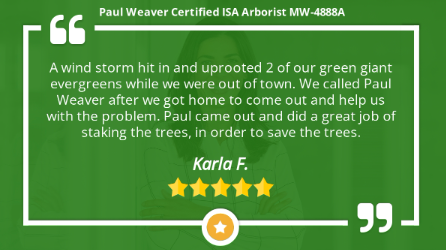
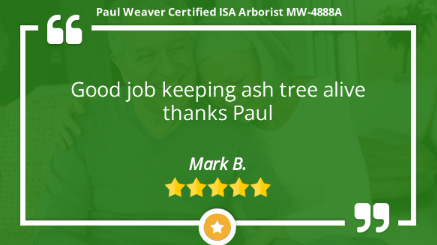
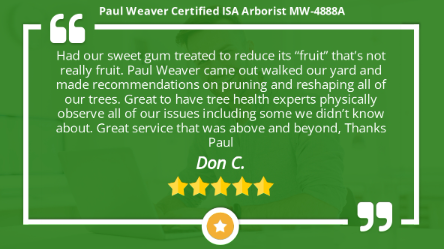
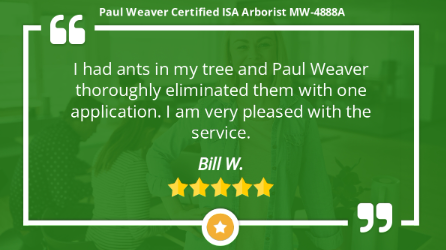
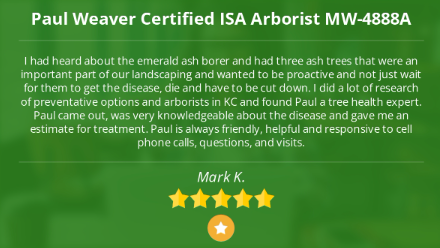
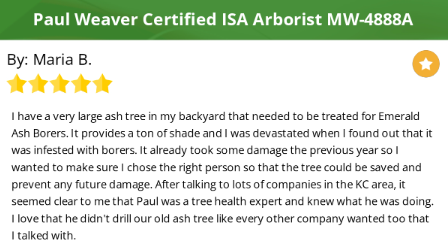
Real results from homeowners across Kansas City, Overland Park, Shawnee, and surrounding areas who chose a better approach to tree and landscape care.
Disease Management
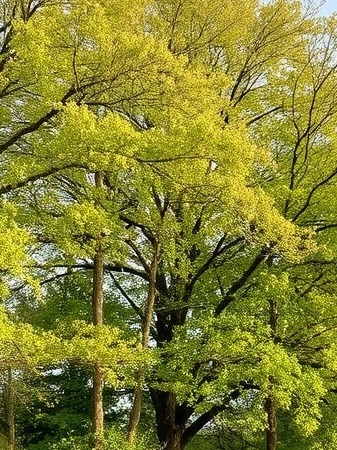
Our disease management service begins with an expert diagnosis, identifying any threats and formulating a tailored treatment plan for your trees. This proactive approach helps in preventing the spread of infections and preserves the health and beauty of your trees. Our trained experts use the latest arborist tools to identify signs of disease early, preventing minor issues from turning into major problems.
Keeping your trees healthy is our top priority; that’s why we stay ahead with the latest treatments and techniques to combat various tree diseases. Our knowledgeable team develops integrated management plans specific to your landscape’s needs, ensuring your trees are protected year-round. Trust us to maintain the health and stability of your trees with the utmost care and expertise.

Detect threats early with detailed inspections, preventing long-term damage to your trees.
Ready to Fix the Real Problem with Your Trees?
If your trees or lawn are not improving, the issue is usually not the treatment, it is what is happening below the surface. Most problems start in the soil, the roots, and the system supporting your entire landscape.
After more than 35 years as an ISA Certified Arborist working throughout Kansas City, I focus on identifying and correcting the cause, not just the symptoms.
If you are looking for real answers and long-term results, the
first step is a proper diagnosis.
👉 Schedule Your Tree Diagnosis Kansas City Today
Discover Kansas City's Best Arborist and Tree Surgeon
Explore Our Legacy of Excellence and a 5-Star Experience Today!
Watch The Video Now
Start with the Right Diagnosis
The first step is understanding what is actually happening with your tree and your landscape. Without that, treatments are just guesswork.
If you are looking for real answers and long-term results, this is where to begin.
CONTACT US BELOW OR CALL NOW!
CONTACT US FOR YOUR FREE EVALUATION TODAY
You can contact us by dropping us a line
And then call if you have any questions or concerns at 913-999-1692
Call Us On: 913-675-6336 For Inquiries
DROP US A LINE NOW!


SUBMIT FORM
Removed Automation Delay
Added Automation Delay
Commonly Asked Questions
Answering your most frequent inquiries about our arborist services for your peace of mind.
What makes your pruning services different?
Our pruning services are tailored to each tree's unique needs, using advanced techniques to enhance its natural beauty and structure. We prioritize safety and health, and our team’s expertise ensures optimal outcomes.
How do you manage tree diseases?
We begin with a detailed diagnosis to develop a customized treatment plan. Our approach focuses on prevention and treatment, using the latest arborist tools and methods to restore and maintain your tree's health.
What if I need emergency tree services?
We’re prepared for emergencies with a swift response team that attends to urgent tree care needs, minimizing risks to your property and ensuring complete safety and restoration following storms or unexpected events.
Contact us today:
Get In Touch With Us
Phone: +19139154165
TreesAreGood.org
The International Society of Arboriculture manages TreesAreGood.org, an educational website that provides the public with quality tree care information.
TreesAreGood.org helps increase awareness of the benefits of trees and provides homeowners and other tree owners with access to resources to help sustain trees in an urban environment. Examples of a few resources you'll find on TreesAreGood.org include:
